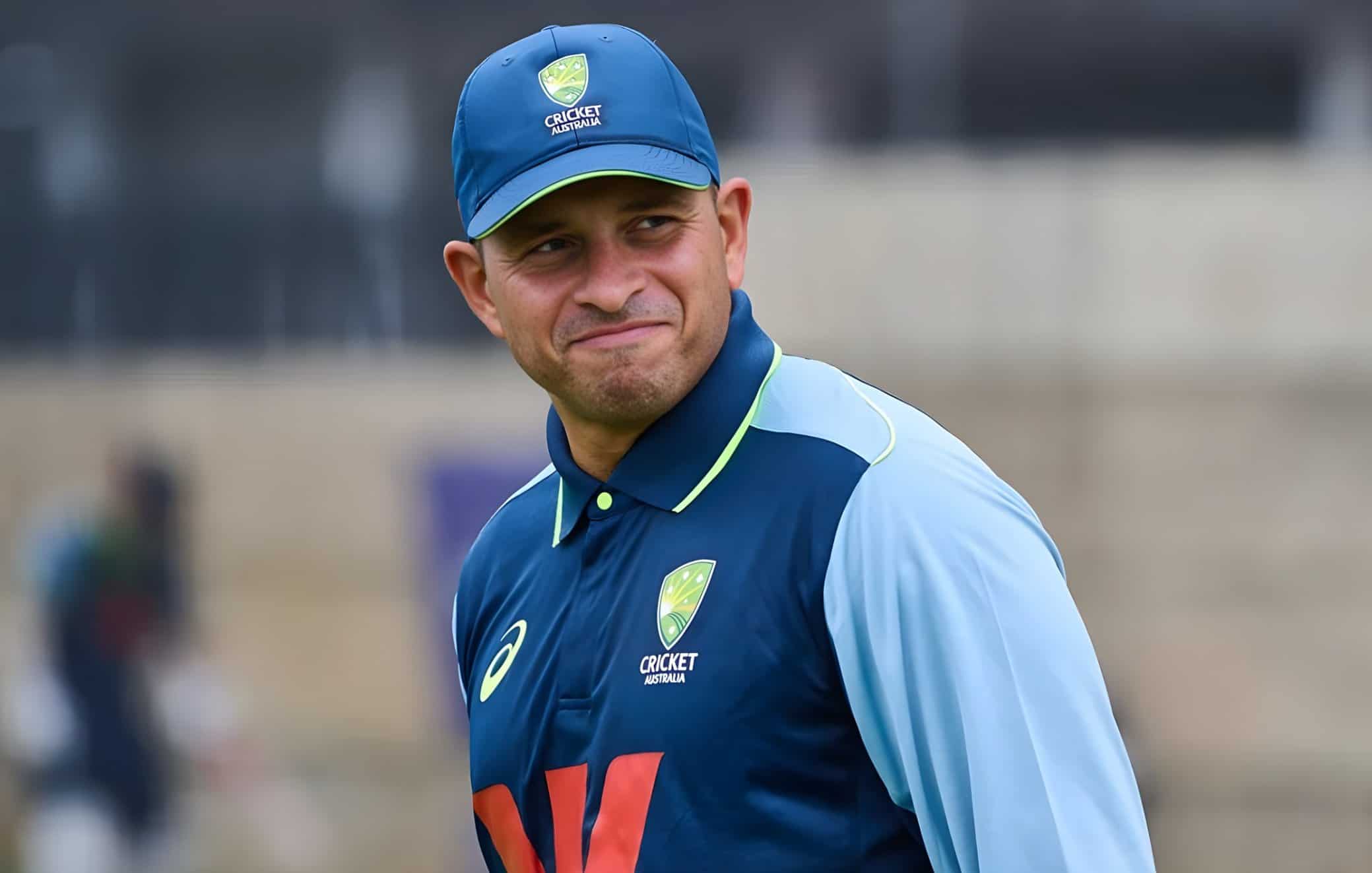
Usman Khawaja has become the center of attention ahead of the second Ashes Test after his injury ruled him out of Australia’s plans, creating a significant shift in the team’s strategy. This development has raised new questions about Australia’s opening combination and the broader implications for the veteran’s international future.
Usman Khawaja Injury Impact on Australia’s Ashes Plans
The Usman Khawaja injury has forced Australia to reassess its lineup for the Ashes series. As one of the most reliable top-order batters, his absence is a major blow. The back spasms he suffered during the Perth Test limited his participation and eventually kept him out entirely, which now fuels concerns about long-term fitness and selection stability. Given that the Ashes holds high stakes, the Ashes second Test becomes even more critical for the team’s momentum.
Back Injury Concerns for the Opening Batter
Khawaja’s back injury surfaced during the first Test when he appeared visibly uncomfortable and was unable to open in the second innings. His struggle with repeated spasms has become a focal point of discussion, especially since he turns 39 later this month. Age, workload, and recovery are now all part of Australia’s dilemma as they prepare for the Ashes second Test.
Rehabilitation Continues Without Squad Replacement
According to team statements, Khawaja will stay with the squad for ongoing rehabilitation. Interestingly, no replacement was added, signaling that Australia may shuffle existing players rather than expand its squad. This raises questions about tactical flexibility during such a crucial Ashes stretch.
Travis Head as the Likely Makeshift Opener
With Usman Khawaja unavailable, the focus has shifted to Travis Head, who delivered a stunning century in the first Test. His aggressive style, confidence with the new ball, and white-ball opening experience make him the frontrunner to fill the vacant role in the Ashes second Test.
Head’s Match-Winning Century at Perth
Head’s explosive 123 off 83 balls in Perth was instrumental in securing Australia’s eight-wicket victory. His ability to dominate bowlers early, maintain pressure, and build momentum gives Australia a compelling reason to ask him to step into the opening position. This performance created renewed optimism about his potential adaptability.
Why Head Fits the Opening Role
Head has opened in white-ball formats, which gives him a strategic advantage. The team values his readiness to face the new ball, especially under day-night conditions at Brisbane. With the Australia vs England Test featuring a pink ball, early control of swing and seam becomes critical. Head’s technique and recent form make him a logical pick.
Middle-Order Adjustments for the Ashes Second Test
If Head moves to the top, Australia must fill his usual No. 5 slot. This has brought players like Beau Webster and Cameron Green into the discussion, with the former likely stepping into the No. 6 role while Green shifts to No. 5.
Beau Webster’s All-Round Value
Webster’s potential promotion gives Australia a balanced option for seam support and batting strength. His domestic performance has shown maturity, and this strategic shift offers him a chance to solidify a long-term role in the Test setup.
Cameron Green’s Positional Flexibility
Green, known for adaptability, is expected to adjust to No. 5 with relative ease. His solid technique and growing confidence make him a dependable option in the middle order. As Australia navigates the absence of Usman Khawaja, Green’s role becomes even more critical.
Khawaja’s International Future Under Spotlight
The injury and his upcoming 39th birthday have intensified scrutiny over Khawaja’s future in Test cricket. While his recent form has been strong, consistent injury concerns may affect selection conversations. The Ashes is unforgiving, and Australia will need long-term stability at the top.
Veteran Experience Still Matters
Despite current concerns, Khawaja’s experience remains invaluable. The team will likely monitor his rehabilitation closely before making decisions about future Tests. His ability to anchor innings has been a hallmark of Australia’s success in recent years.
What Australia Must Consider Going Forward
As the Ashes continues, selectors must evaluate both performance and durability of key players. The absence of Khawaja forces Australia to test depth and resilience, qualities essential for dominating a multi-Test series.
Strategic Preparation for Brisbane’s Day-Night Challenge
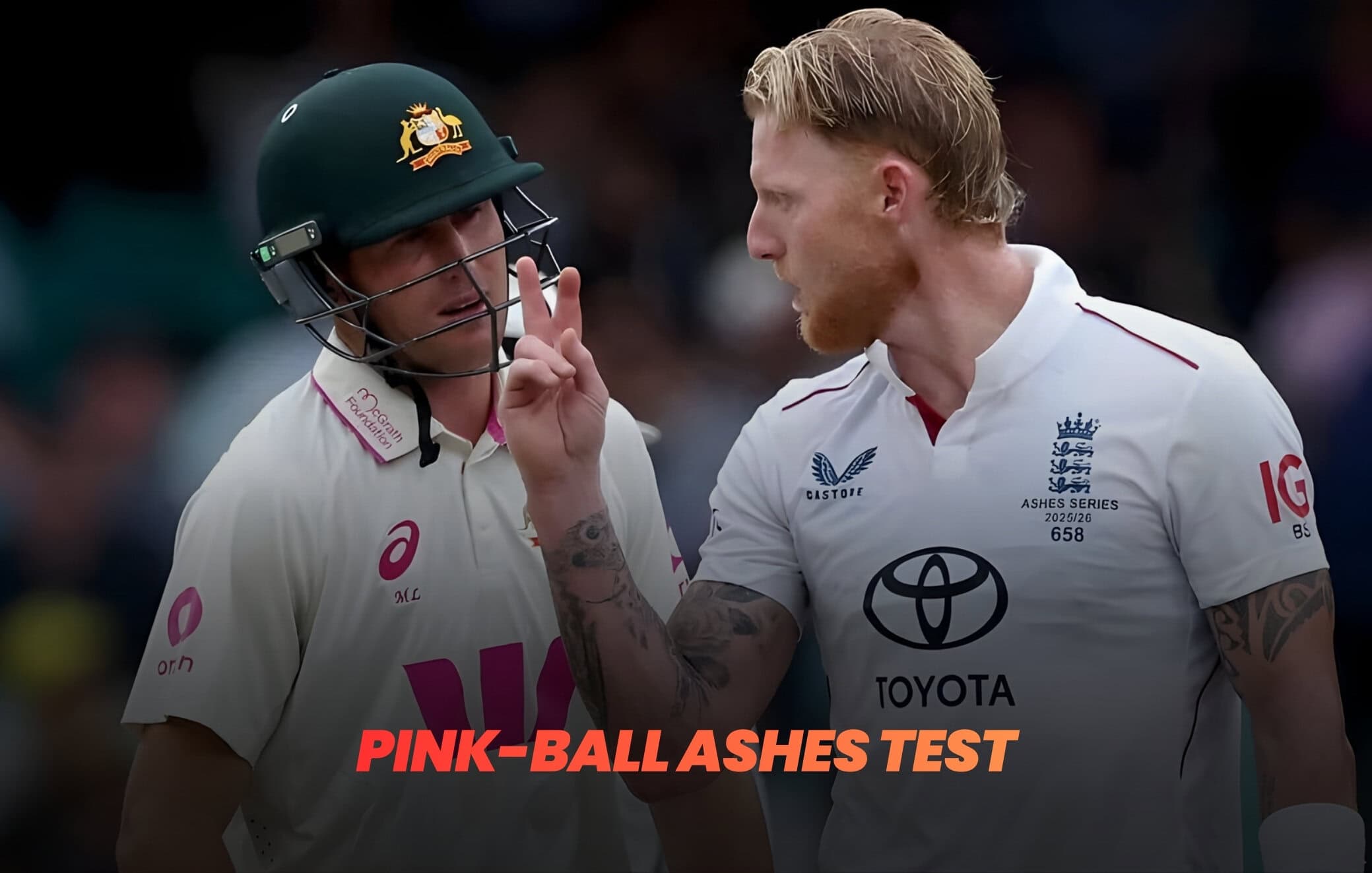
The upcoming day-night Test at the Gabba adds complexity to lineup decisions. Pink-ball conditions demand precision from batters and bowlers. Without Usman Khawaja, Australia’s revamped top order must quickly adjust to ensure stability at the crease.
Importance of Early Overs in Pink-Ball Cricket
Opening batters face heightened swinging conditions, making the role more challenging. Travis Head, if chosen to open again, must replicate his composure from Perth while adapting to Brisbane’s unique evening movement.
Bowlers Positioned to Exploit Conditions
Australia’s bowlers, including Pat Cummins and Mitchell Starc, could benefit significantly from pink-ball swing. While the batting order adjusts to Khawaja’s absence, the bowling unit aims to capitalize on favorable conditions.
Final Outlook for Australia in the Second Ashes Test
The absence of Usman Khawaja is a setback, but it also opens doors for new combinations and emerging players. Travis Head’s likely shift, alongside strategic adjustments in the middle order, gives Australia a fresh dynamic entering the Ashes second Test.
The changes reflect both necessity and opportunity. With high stakes, intense competition, and evolving team strategy, Australia enters the Gabba Test with renewed focus and determination. Whether these adjustments produce success will become clear as the iconic rivalry resumes under the Brisbane lights.
🔗 Visit our other platforms:
8jjSports.com