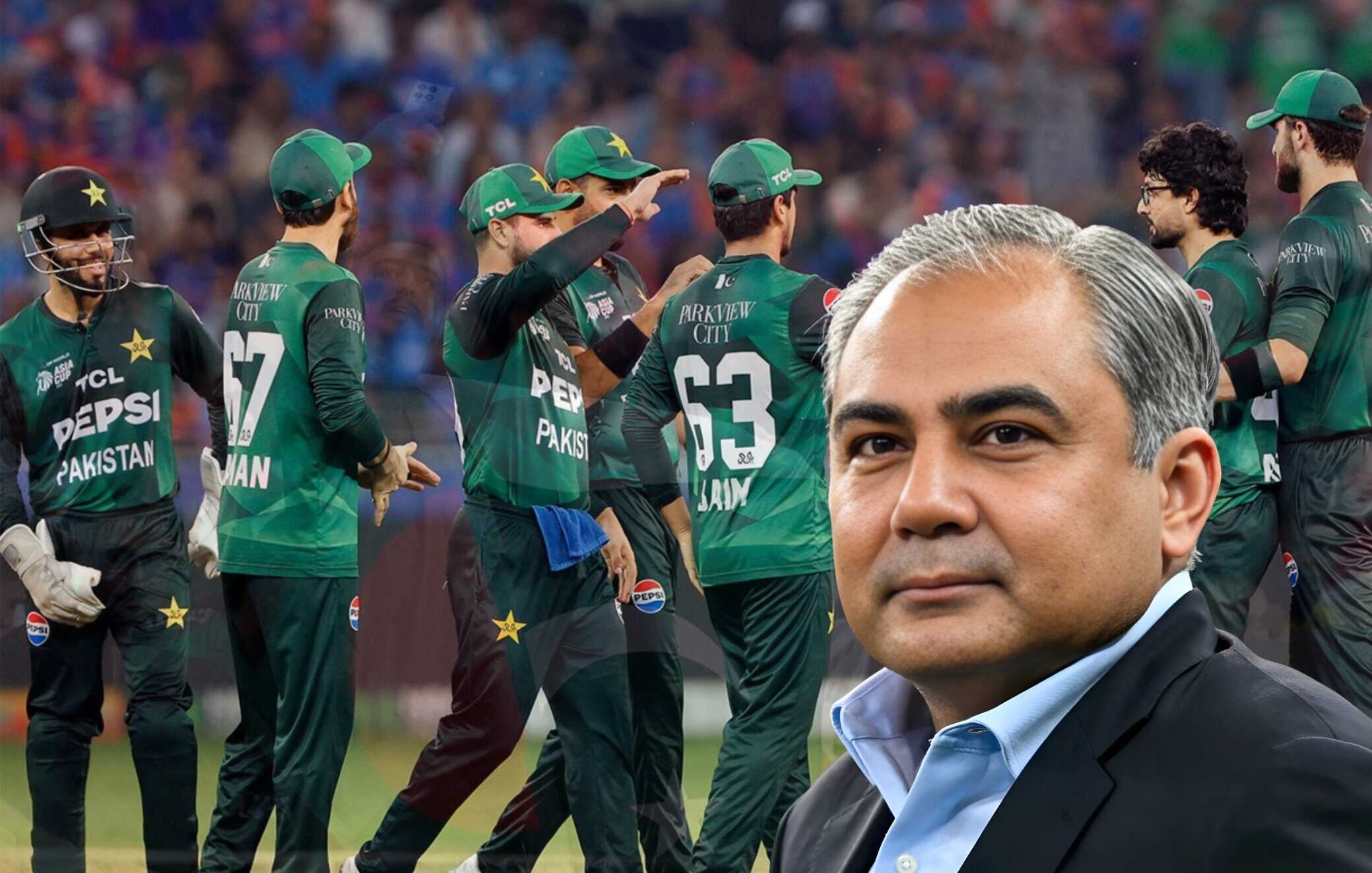
Jannik Sinner might be the talk of the court in Melbourne, but the cricketing world is currently gripped by a major T20 World Cup crisis as the Pakistan Cricket Board (PCB) officially threw its weight behind Bangladesh’s refusal to play in India. On Tuesday, just 24 hours before a high-stakes ICC Board meeting, the PCB wrote a formal letter to the governing body supporting the Bangladesh Cricket Board’s (BCB) stance on relocating their matches.
Citing “political turmoil in the neighbourhood,” the PCB has intensified the pressure on the ICC to reconsider the tournament schedule. This late intervention comes at a critical juncture, with the global showpiece set to begin in less than three weeks across India and Sri Lanka, and the deadlock between Dhaka and Dubai showing no signs of a peaceful resolution.
ICC Board Meeting Confronts T20 World Cup Logistics Crisis
The scheduled ICC Board meeting on Wednesday, January 21, 2026, is expected to be one of the most contentious in recent history. The primary agenda is the BCB’s formal request to shift their Group C matches—originally slated for Kolkata and Mumbai—to co-host Sri Lanka.
The T20 World Cup schedule has been finalized for months, but the BCB, with the full backing of the Bangladeshi government, has remained adamant that they will not send their national team to India due to severe security concerns. While the PCB’s email has added a new layer of complexity, it remains to be seen if the intervention by Chairman Mohsin Naqvi will sway the ICC’s long-standing refusal to alter the existing itinerary at such a late stage.
Security Concerns and Political Instability in India
Central to the BCB stance support provided by Pakistan is the perceived risk to players and fans. The controversy was initially sparked by the BCCI’s decision to remove Mustafizur Rahman from the KKR squad for IPL 2026, a move that triggered a diplomatic row. Since then, the Bangladesh government has stated that the atmosphere in India is not conducive to hosting their national team.
An independent risk assessment in early 2026 flagged the danger to Bangladeshi nationals and supporters as “moderate to high,” particularly given the strict visa restrictions currently in place. These factors have led the BCB to argue that playing in India would not only be unsafe but would effectively exclude their fans from participating in the global event.
Bangladesh Cricket Turmoil and Player Boycott
The T20 World Cup standoff has already had a devastating impact on the domestic front, leading to significant Bangladesh cricket turmoil. Relations between the players and the board reached a breaking point after a senior BCB official reportedly made disparaging remarks about the financial worth of the nation’s top cricketers. This public rift culminated in an unprecedented player boycott, which severely disrupted the ongoing Bangladesh Premier League (BPL).
While stars like Najmul Hossain Shanto have expressed a unanimous desire to play in the World Cup, the mental toll of the administrative dispute has been heavy. The players find themselves caught in a geopolitical crossfire, uncertain whether they will be boarding a flight to India or watching the tournament from home.
Pakistan Reviews Participation Amid Tournament Impasse
The PCB’s involvement has raised the stakes for the ICC Board meeting significantly. Unverified reports suggest that Pakistan is reviewing its own participation in the tournament, contingent on how the ICC handles the Bangladesh situation. Since Pakistan is already scheduled to play all their matches in Sri Lanka—an arrangement agreed upon in late 2024—their support for Bangladesh is seen by many as a move to challenge the BCCI’s influence within the ICC.
Under the leadership of Jay Shah, the ICC has maintained that the risk in India is “low to moderate,” but the combined front of the PCB and BCB presents a formidable challenge to that narrative, threatening the very integrity of the 2026 edition.
Potential Group Swaps and Scotland as Replacement
As the T20 World Cup deadline looms, several contingency plans are being discussed. One proposal involves a group swap where Bangladesh (Group C) would trade places with Ireland (Group B) to allow the former to play in Sri Lanka. However, moving an entire group’s logistics just weeks before the February 7 start date is a nightmare for broadcasters and local organizers.
If the ICC remains firm and Bangladesh follows through with their boycott, reports indicate that Scotland is the leading candidate to replace them based on current world rankings. This would be a massive blow to the tournament’s commercial value and its goal of being a truly inclusive global event.
Financial Implications and Global Governance
The financial ramifications of the BCB stance support and potential withdrawal are immense. The BCB is facing the prospect of losing significant ICC revenue and sponsorship deals if they fail to participate. Meanwhile, the ICC is wary of setting a precedent where teams can demand venue changes based on political disagreements.
The current standoff highlights the fragile intersection of sports and statecraft in South Asia. Without a constructive dialogue between all parties, the 2026 tournament risks being remembered more for its administrative failures than for the quality of cricket on the pitch.
Final Countdown to the ICC Verdict
All eyes are now on the results of the ICC Board meeting as the January 21 deadline expires. The decision will determine not only the fate of the Bangladesh team but also the future of cricket governance in the region. If the ICC bows to the pressure, it may open the door for more frequent venue disputes; if it stands firm, it risks a World Cup without one of its most passionate fanbases. As the clock ticks down to the opening ceremony, the “Lions” of Bangladesh and the “Shaheens” of Pakistan have made their positions clear, leaving the ball firmly in the ICC’s court.
🔗 Visit our other platforms:
8jjSports.com