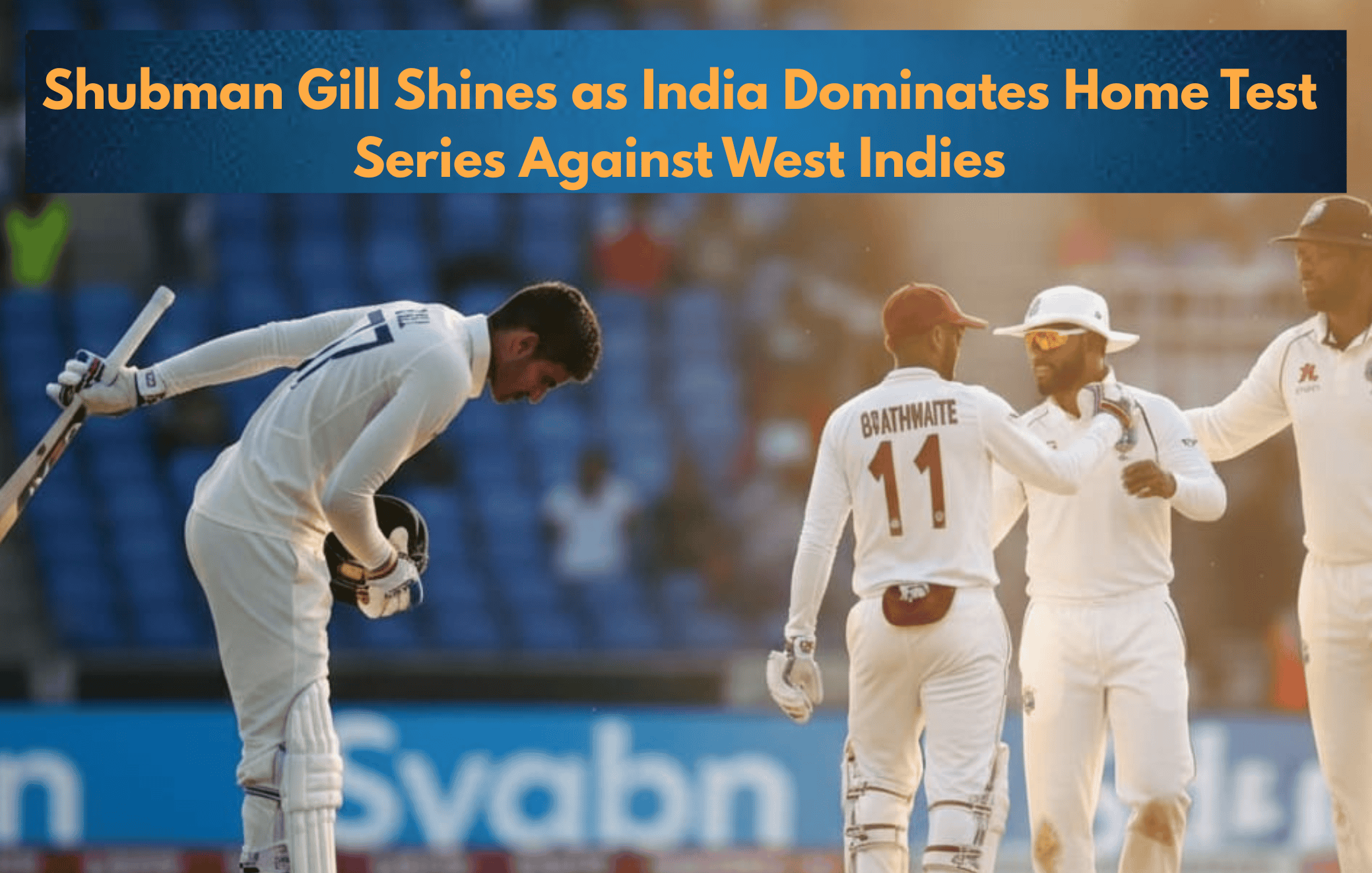
Delhi, October 2025 — Shubman Gill‘s first home series as India’s Test captain proved to be a resounding success, with India completing a 2-0 series sweep against the West Indies at the Arun Jaitley Stadium. While Gill fell short of sealing the victory with a six on the final day, his calm leadership and tactical acumen were central to the team’s comprehensive performances. This series served as a perfect stage for the young leader to assert his place in Indian cricket, confirming his credentials as both a player and captain in the longest format.
Leadership Praise and Milestones
Gill’s captaincy in the series received high praise from head coach Gautam Gambhir, who acknowledged the 26-year-old’s growth, especially his successful stint leading India in England earlier this year. “He’s passed his toughest test in England,” Gambhir said, referring to Gill’s success in the challenging English conditions. “He ticks all the boxes as a leader and a player.” Gambhir’s comments were reflective of the broader sentiment within the team, where Gill’s ability to remain composed, make bold decisions, and lead by example has earned him respect from both his teammates and coaching staff.
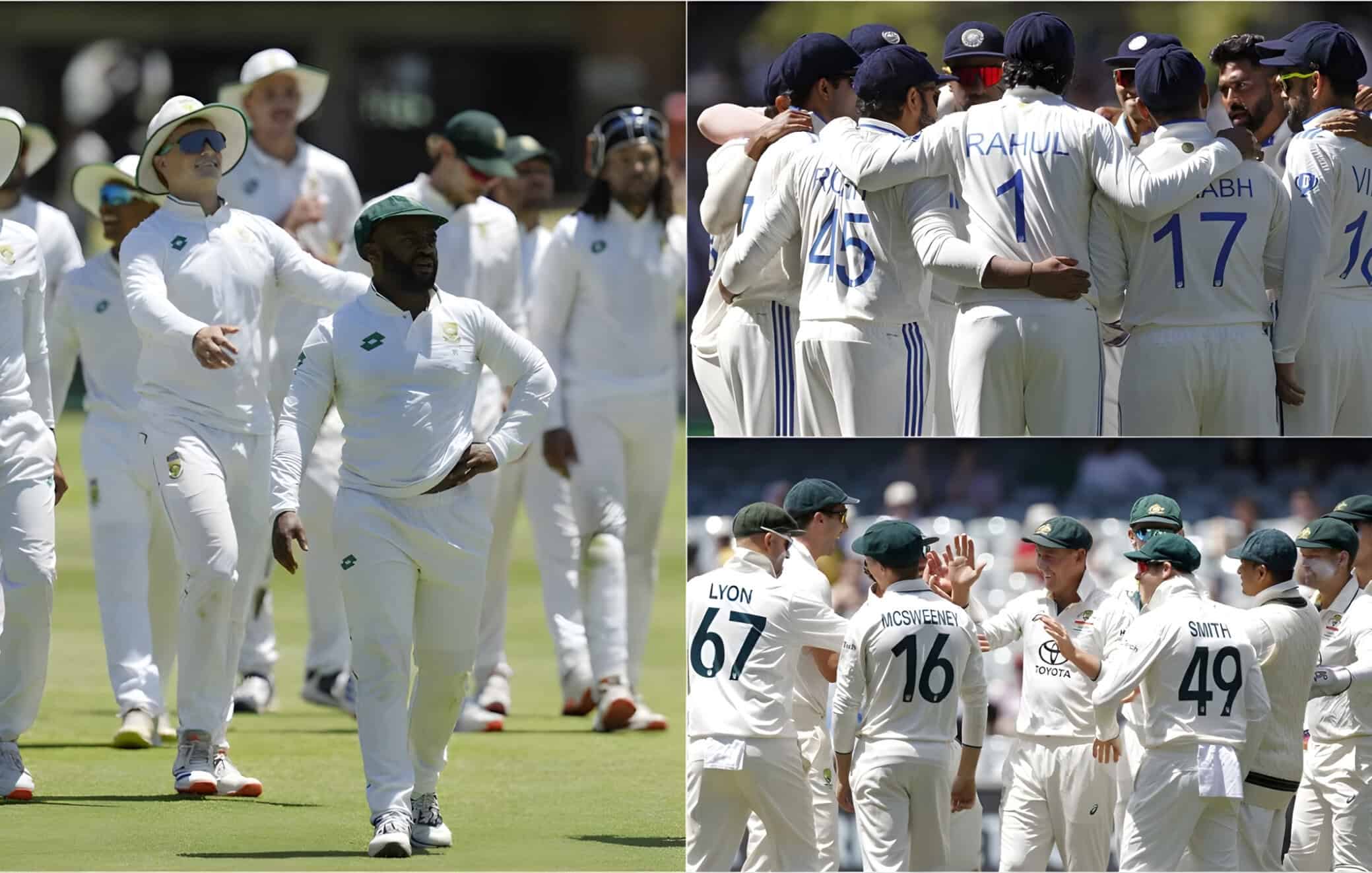
The series victory against the West Indies helped India secure 24 crucial points in the World Test Championship (WTC) standings. Despite the strong results, it was clear that the West Indies did not present as formidable a challenge as New Zealand did in India’s previous series, with South Africa expected to pose a much tougher test in the upcoming fixtures. Nevertheless, the series against the West Indies allowed India to make significant strides in understanding and capitalizing on their home conditions, which had previously been an area of concern following the 3-0 loss to New Zealand.
Individual Performances to Note
The series also provided several players with opportunities to establish themselves as regular fixtures in the Indian lineup. Sai Sudharsan, who had a challenging start in the Ahmedabad Test, redeemed himself with scores of 87 and 39 in the Delhi Test, showing resilience and maturity. His performances confirmed his potential as a key middle-order batter for India in both home and overseas conditions.
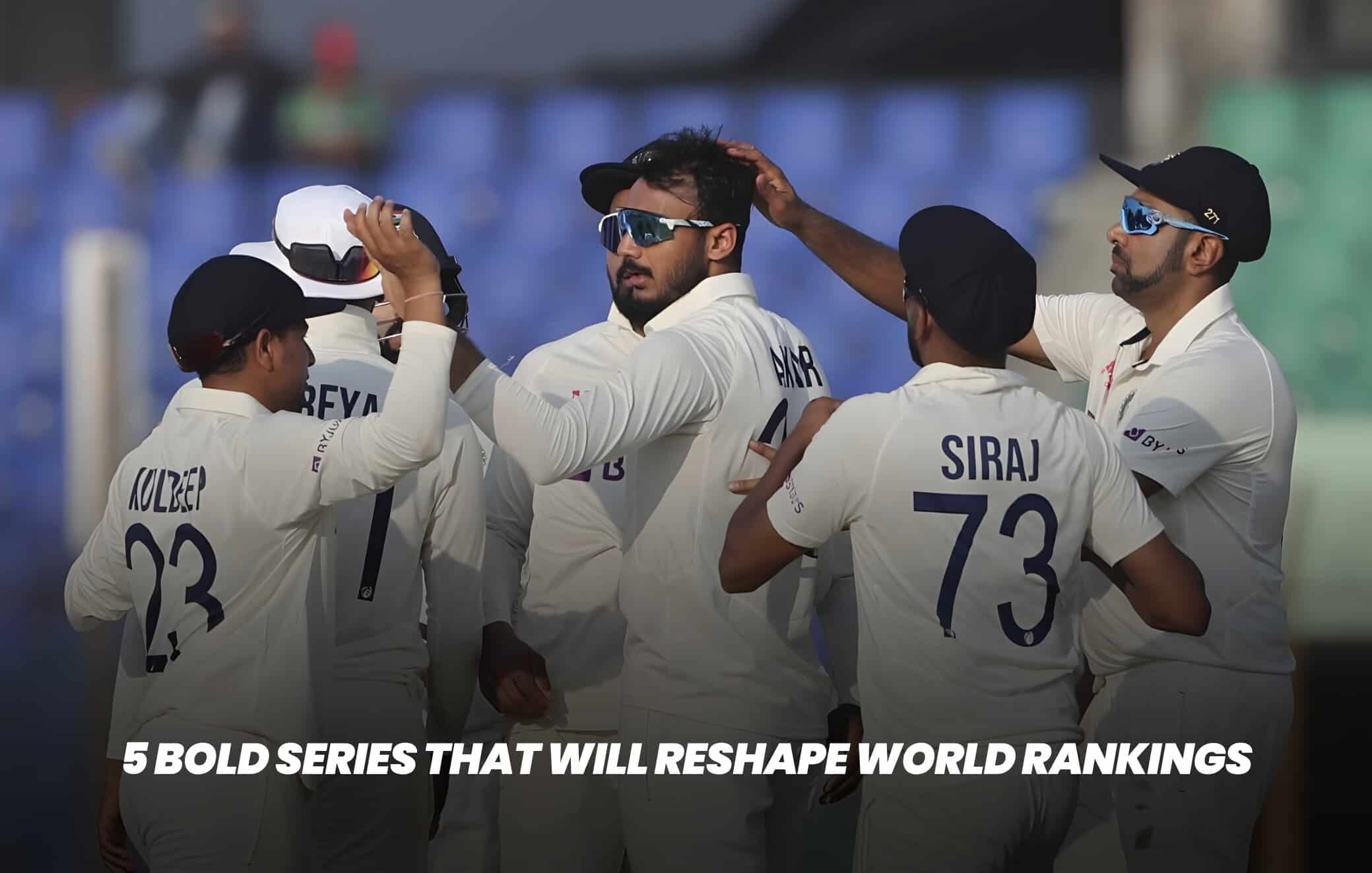
Kuldeep Yadav was another standout player, claiming 12 wickets in the series, including a match-winning performance in Delhi where he was named Player of the Match for his remarkable bowling. Yadav’s performance reaffirmed his place as one of India’s premier spinners in the longest format, and his ability to perform in varying conditions continues to make him a vital asset for India.
In the lower order, Nitish Kumar Reddy showed flashes of brilliance with an attacking 43 runs in the first Test, proving that he has the ability to contribute in crucial situations. Reddy remains an exciting prospect for the future, with his all-format potential becoming clearer with each performance.
Ravindra Jadeja: A Player of the Series Performance
While several players contributed to India’s dominant victory, Ravindra Jadeja continued his exceptional form from the England tour, cementing his place as one of India’s most valuable all-rounders. Jadeja’s contributions with both bat and ball were critical in turning the tide for India throughout the series. He amassed key runs and took timely wickets, earning the Player of the Series award for his stellar all-round performances. Jadeja’s form has placed him firmly in contention for the ICC Test Player of the Year, with his consistent impact across all formats becoming indispensable to India’s success.
Shubman Gill’s Evolution as Captain
For Shubman Gill, the home series victory was more than just a 2-0 sweep — it was a confirmation of his growth as both a batter and captain. Despite a few questions around his proactive approach and aggressive mindset, Gill’s ability to inspire the team through challenging moments and his strong work ethic were widely recognized. Gautam Gambhir once again praised his leadership, stating, “Shubman has proven that he has the right attitude, leadership qualities, and a strong sense of commitment to take the team forward.”
The Indian squad’s positive response to Gill’s leadership was a key factor in their success. Whether it was in his tactical decisions on the field, his calm demeanor under pressure, or his ability to foster a collaborative team environment, Gill demonstrated that he is more than ready to lead India in the Test format. His success in this series will undoubtedly help build a strong foundation for his leadership in the future, especially with India aiming for success in overseas conditions and the upcoming WTC finals.
The Gill Era Begins
This series marks the official launch of the Gill era in Indian cricket — one that balances youth and experience, aggression and composure. As the team looks ahead to their next challenges, including tougher opposition like South Africa, the success of this series will serve as a blueprint for the future. India’s next steps will be crucial, as they seek to maintain their position as one of the world’s premier Test sides.
For Shubman Gill, this series was not just about results — it was about leadership evolution. He has now set the tone for the future, showing that he can lead India with confidence, and it’s clear that under his captaincy, the team will look to continue their upward trajectory in Test cricket.
Looking Ahead
With the victory against the West Indies now behind them, India will turn their attention to the more challenging series ahead. As they prepare for the upcoming Test series against South Africa, Gill will need to continue building on this success, fostering young talent while relying on the experience of players like Ravindra Jadeja and Ajinkya Rahane to maintain India’s dominance at home and abroad.
India’s Test future looks bright under Shubman Gill’s leadership, and the 2-0 series win against the West Indies marks just the beginning of what promises to be an exciting era for Indian cricket
🔗 Visit our other platforms:
8jjSports.com