Pakistan boycott has triggered one of the biggest financial alarm bells in modern cricket, as the potential absence of the India vs Pakistan clash at the T20 World Cup 2026 threatens to send shockwaves through the global cricket ecosystem. In today’s cricket economy, some matches matter more than trophies, and none carries the weight, revenue, or influence of an India Pakistan match on the World Cup stage.
The decision by the Pakistan government to allow participation in the tournament but bar the team from playing India has transformed a political stance into a financial and structural crisis for international cricket. The ICC’s unusually direct warning reflects just how serious the consequences could be if the Pakistan boycott is enforced.
Pakistan Boycott and the India Pakistan Match Value
The Pakistan boycott controversy revolves around a fixture that is widely regarded as the financial backbone of any ICC tournament. An India Pakistan match in a T20 World Cup is not simply another group-stage encounter; it is the event that underwrites broadcast deals, advertising revenue, and sponsorship structures.
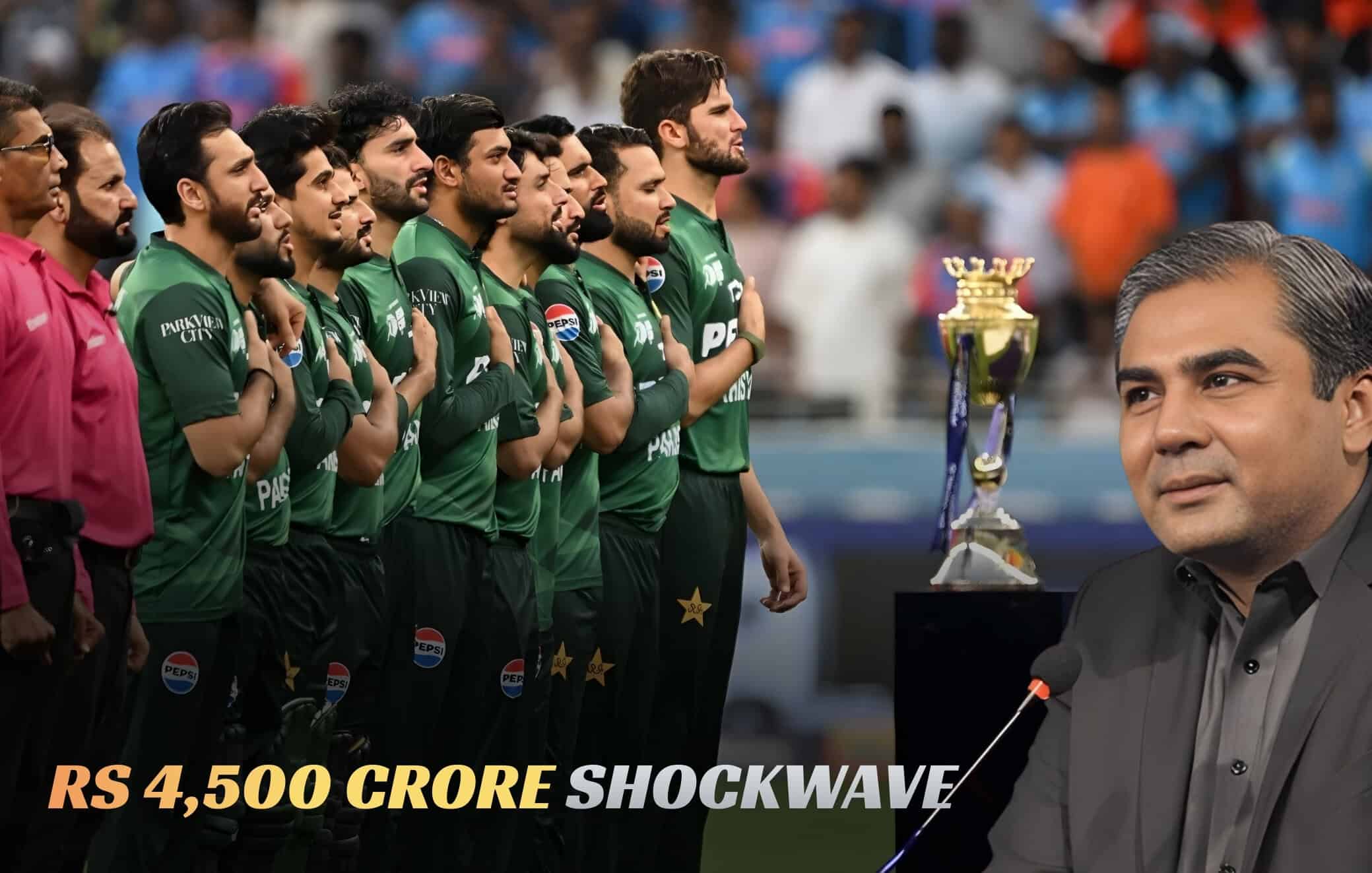
Industry estimates value the India Pakistan T20 contest at nearly USD 500 million, or approximately Rs 4,500 crore, when all revenue streams are combined. No other single cricket match comes close to generating that level of commercial impact, making the Pakistan boycott a direct threat to tournament economics.
Why the India Pakistan Match Is Cricket’s Biggest Asset
Broadcasting Goldmine
For broadcasters, the India Pakistan rivalry is the crown jewel. Advertising rates during an India Pakistan T20 World Cup match routinely touch Rs 25–40 lakh for just 10 seconds of airtime. Even knockout matches involving India against other top teams fail to reach these numbers.
A Pakistan boycott removes this premium product from the schedule, instantly reducing the overall value proposition of the tournament. Broadcasters pay for certainty, and losing the most valuable match mid-cycle is more than an inconvenience—it is a fundamental breach of expected value.
Sponsorship and Advertising Dependence
Sponsors structure entire campaigns around the India Pakistan match. From title sponsors to on-ground activations, much of the tournament’s commercial strategy revolves around this fixture. A Pakistan boycott would force renegotiations, rebates, and potential legal claims, further destabilizing the financial ecosystem.
Pakistan Boycott Impact on Broadcasters
Immediate Revenue Losses
The most immediate financial hit from a Pakistan boycott would be felt by the official broadcaster. Advertising revenue alone from the India Pakistan match is estimated at around Rs 300 crore. Without the match, that revenue vanishes overnight.
Reports indicate that broadcasters have already explored compensation mechanisms, and the absence of the match would significantly strengthen rebate claims. Each World Cup match is internally valued at roughly Rs 138.7 crore, but the India Pakistan fixture far exceeds that baseline.
Ripple Effect Across the Tournament
Once broadcasters claw back losses, the financial burden shifts to the ICC. Reduced central revenue forces the governing body to reassess distributions, impacting every member board—not just India and Pakistan. The Pakistan boycott therefore affects cricket nations far removed from the political dispute.
ICC Revenue and the Pakistan Boycott Fallout
Reduced Distributions to Member Boards
ICC tournaments operate on a shared revenue model. When central income drops, payouts to Full Members and Associate nations are reduced. Smaller boards, which rely heavily on ICC distributions for survival, would feel the effects of a Pakistan boycott almost immediately.
Why the ICC Issued a Strong Warning
The ICC’s statement urging Pakistan to consider long-term implications was not rhetorical. It was a signal that the Pakistan boycott could undermine the very system that funds global cricket development, from grassroots programs to women’s cricket initiatives.
India and Pakistan: Unequal Financial Impact
India’s Loss Is Manageable
Estimates suggest both India and Pakistan could lose around Rs 200 crore each in direct and indirect revenue if the match does not happen. For India, this is a setback but not a crisis. The Board of Control for Cricket in India has diversified revenue streams and strong domestic income.
Pakistan Faces Existential Math
For Pakistan, the Pakistan boycott carries far more severe consequences. The PCB receives approximately 5.75% of total ICC revenue, translating to about USD 34.51 million annually. This income depends heavily on compliance, participation, and reliability.
A voluntary withdrawal from a scheduled match is not protected under force majeure. That means no insurance cover, no legal shield, and full exposure to damages, penalties, and compensation claims.
Legal and Contractual Risks of Pakistan Boycott
Breaching ICC Agreements
The Pakistan boycott could be interpreted as a breach of the ICC Member Participation Agreement. Consequences may include withheld tournament payments, additional fines, and even potential litigation from broadcasters or commercial partners.
Losses Beyond the Immediate Match
Financial exposure would not stop at the India Pakistan match itself. Penalties and compensation claims could push Pakistan’s total losses into several million dollars beyond the initial revenue hit, deepening the crisis for the PCB.
Long-Term Credibility Damage From Pakistan Boycott
Why Reputation Matters More Than Cash
The most dangerous consequence of a Pakistan boycott is reputational. Broadcasters and sponsors value predictability. A boycott brands Pakistan fixtures as risk assets, reducing confidence in future commitments.
This perception alone can lead to discounted broadcast rights, lower sponsorship interest, and reduced bargaining power for Pakistan in future commercial negotiations.
Sustained Revenue Erosion Risk
What appears to be a single missed match today could translate into sustained revenue erosion over multiple tournament cycles. ICC revenue distributions are influenced not just by numbers but by credibility and compliance.
Fans Caught in the Pakistan Boycott Crossfire
Personal Losses for Supporters
Beyond balance sheets, the Pakistan boycott impacts thousands of fans who planned travel, accommodation, and tickets specifically for the India Pakistan match. For them, the loss is immediate, personal, and largely unrecoverable.
Damage to the Spirit of the Tournament
The India Pakistan rivalry is often the emotional centerpiece of a World Cup. Its absence would leave a void that no other fixture can fill, diminishing the overall spectacle for global audiences.
Final Analysis: Why Pakistan Boycott Is a Global Threat
The Pakistan boycott is no longer just a political statement—it is a direct challenge to the financial engine that sustains global cricket. The India Pakistan match bankrolls tournaments, stabilizes broadcast models, and supports member boards worldwide.
Walking away from this fixture does not merely dent one World Cup. It sends tremors through the ICC, broadcasters, sponsors, and fans, with Pakistan standing to lose the most in both the short and long term. Long after points tables are forgotten, the financial and reputational bill of a Pakistan boycott could continue to haunt the PCB and reshape how global cricket does business.
🔗 Visit our other platforms:
8jjSports.com