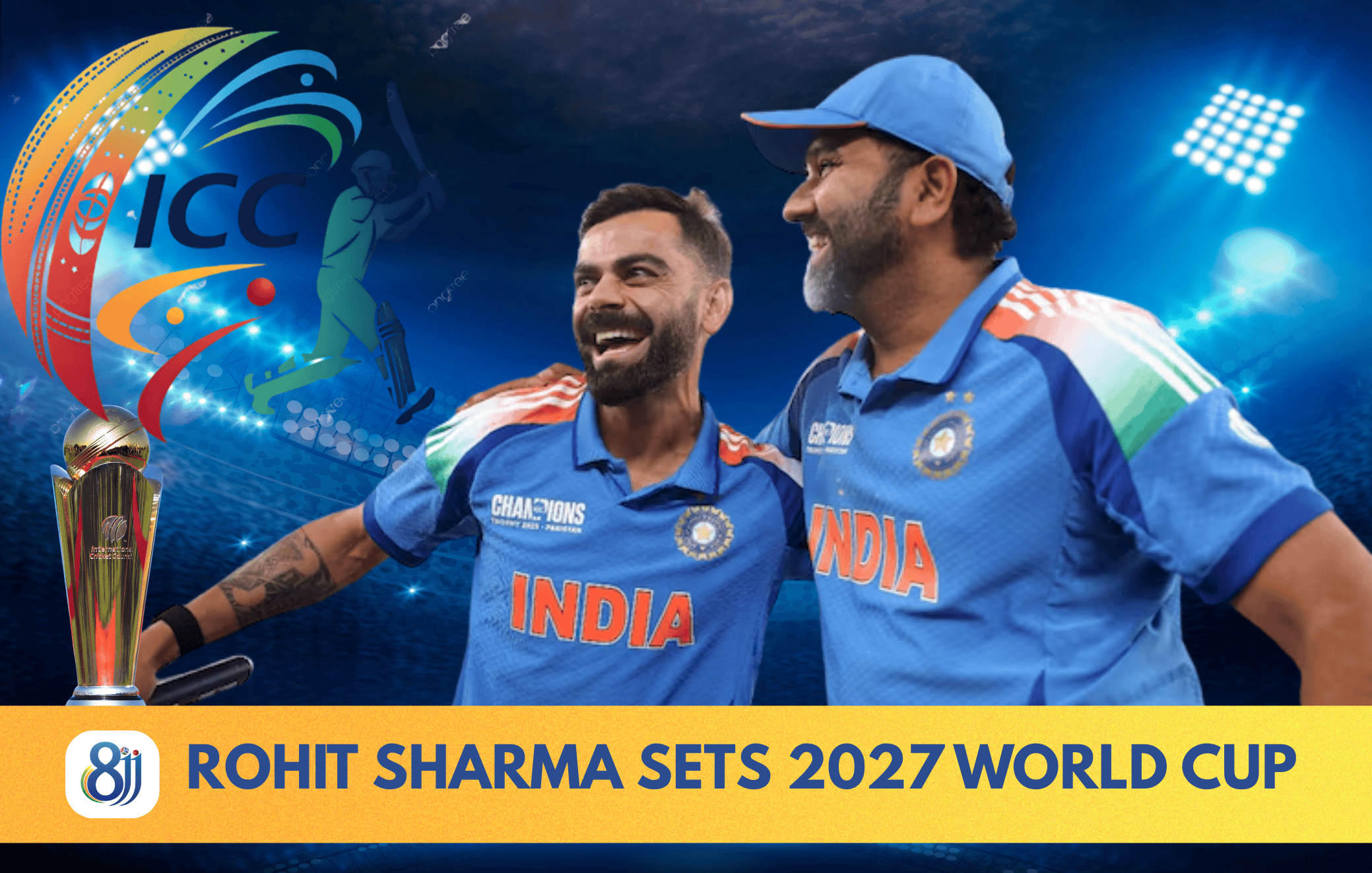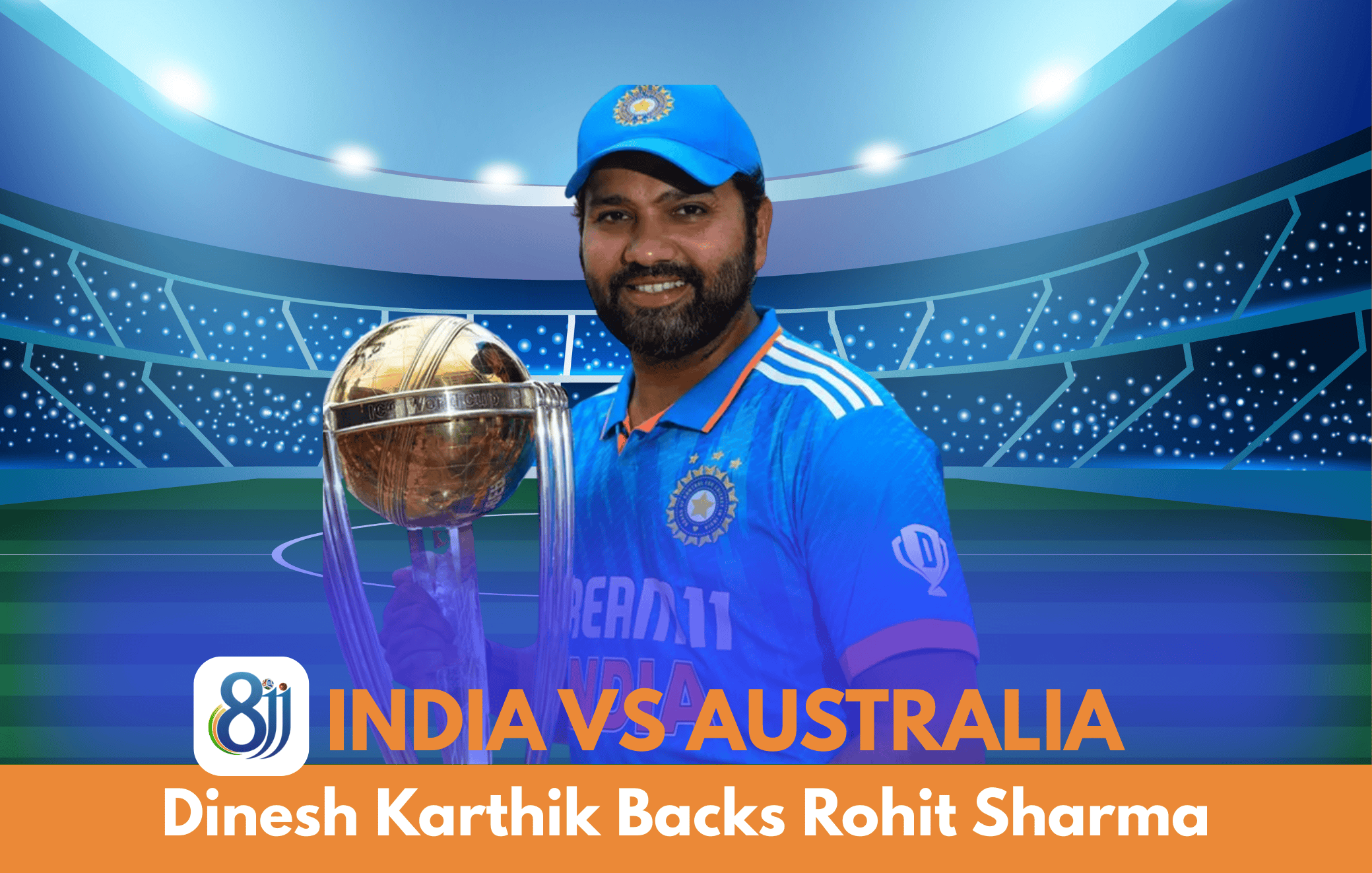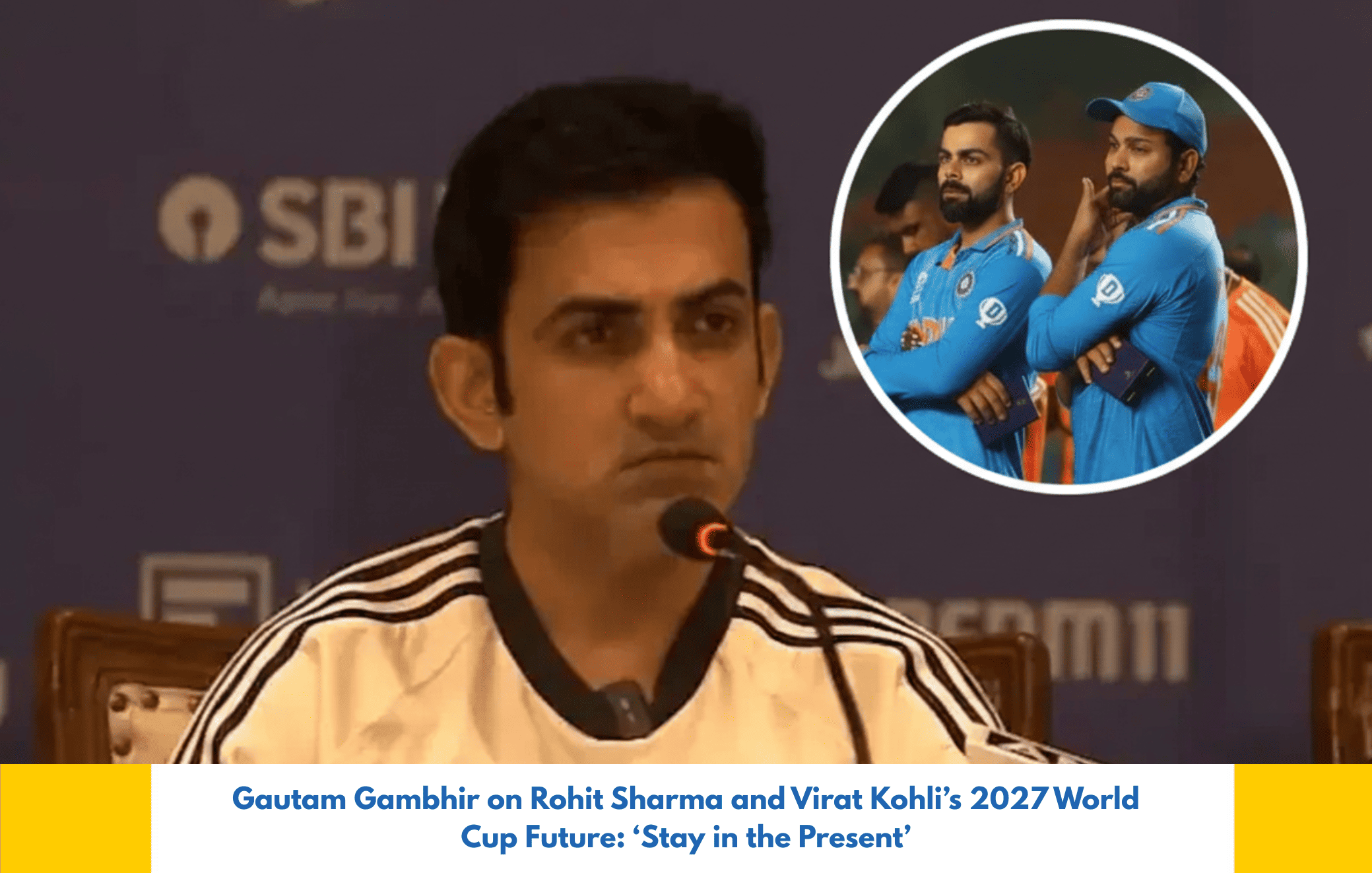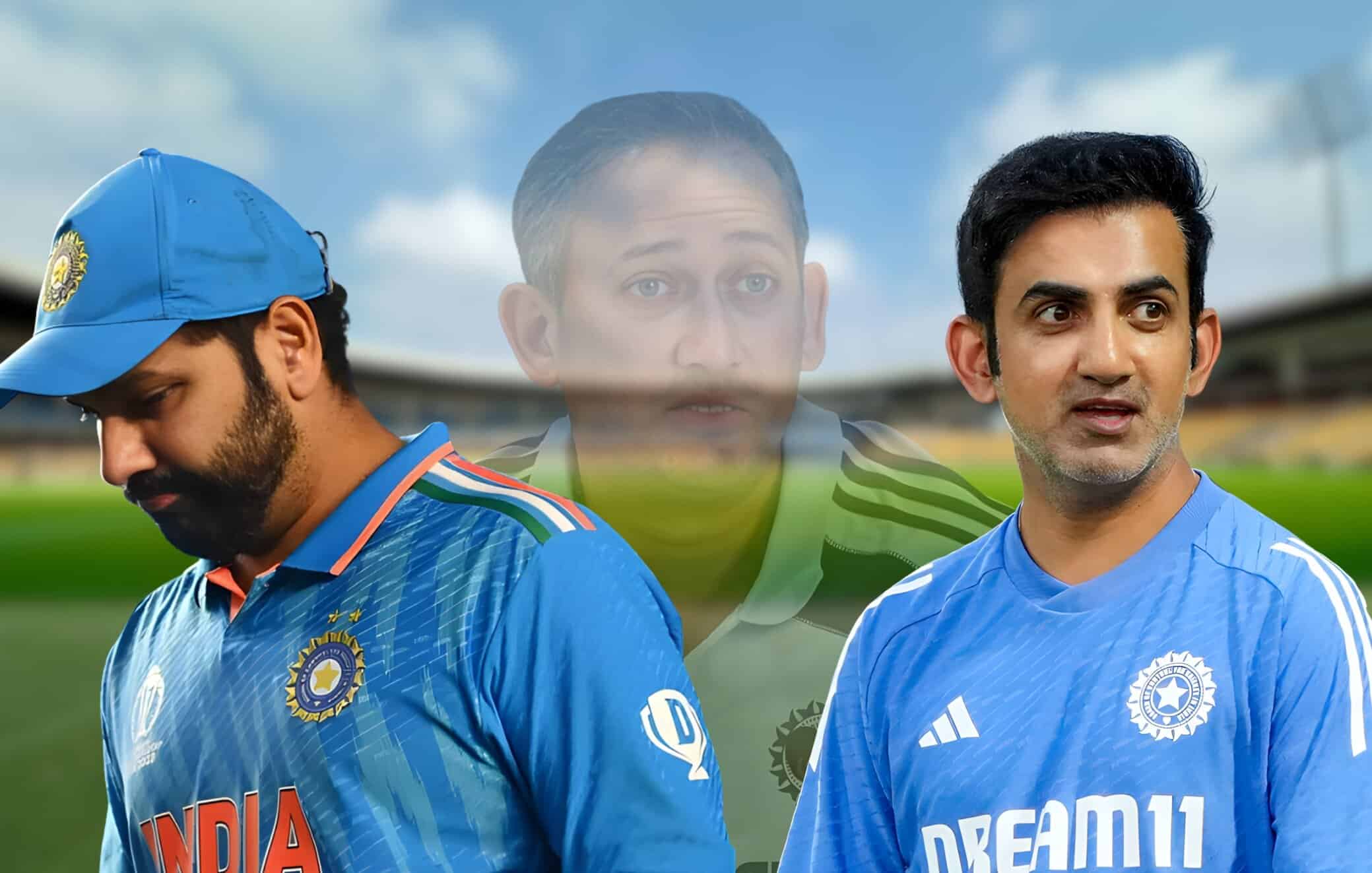
Rohit Sharma’s sudden removal as India’s ODI captain has sent shockwaves through the cricketing community and ignited intense debate over the circumstances surrounding the decision. While Ajit Agarkar, the chief of the selection committee, officially confirmed the change, questions have arisen regarding the possible influence of former cricketer Gautam Gambhir in shaping the outcome. According to reports and commentary from former players, including Manoj Tiwary, Gambhir may have played a significant, behind-the-scenes role in advocating for a leadership shift, although the precise details remain unclear.
The unexpected nature of the decision has left fans and cricket analysts speculating about the internal dynamics of the team and the selection committee. Many have pondered whether the change was motivated purely by performance considerations, a strategic move to prepare the team for upcoming international challenges, or the result of subtle influences from experienced former players like Gambhir. The controversy underscores the complexity of cricket administration in India, where leadership decisions are closely scrutinized and can have far-reaching implications for team morale, on-field strategy, and public perception of the sport.
Rohit Sharma Removed as ODI Captain
Rohit Sharma, a celebrated leader with ICC trophies under his belt, was replaced by Shubman Gill as India’s ODI captain. The decision, framed as a fresh start ahead of the 2027 ODI World Cup, has raised questions about the rationale behind removing a captain with proven leadership and recent success.
Manoj Tiwary expressed his perspective:
“I don’t know what the primary cause is. But knowing Ajit Agarkar, he has a strong personality. He is a decisive leader who does not shy away from making tough calls. However, we must consider whether he was influenced by someone else to ‘fire the gun from his shoulder.’ A lot happens behind the scenes where one plus one equals two.”
Tiwary emphasized that such a significant decision likely involved input from multiple senior figures, including the head coach, Gautam Gambhir.
Cricketing Logic Questioned
Tiwary highlighted the inconsistency in the team management’s decision-making:
“There has been a lot of inconsistency in picking the playing XI. To be brutally honest, I have lost interest in watching ODI matches. When a T20 World Cup-winning and Champions Trophy-winning captain is removed and replaced by someone new, it feels unnecessary.”
Despite Rohit Sharma’s age of 38, his consistent performances and fitness indicate that he still possesses the drive to compete at the highest level. Tiwary argued that removing him without clear cricketing justification undermines his achievements and selfless leadership.
Shubman Gill Appointed New Skipper
The selection committee’s choice of Shubman Gill as the new captain is aimed at preparing the team for the 2027 World Cup. While planning for the future is understandable, Tiwary believes the manner of Rohit’s removal lacked respect for his contribution:
“Removing him from the captaincy cannot be justified by cricketing logic alone. When a player has scored three double-centuries and plays with such a selfless mindset, as he did in 2023, you don’t question him.”
Gambhir’s Alleged Role
Sources and pundits have speculated that Gautam Gambhir, as head coach, may have influenced Ajit Agarkar’s decision. While the exact extent is unclear, Tiwary suggested that such decisions rarely happen in isolation, implying that Gambhir’s input was likely considered in the captaincy change.
Fan and Expert Reactions
The cricketing community has largely expressed surprise and disappointment over the move. Rohit Sharma’s leadership, achievements, and global fan base make the decision controversial, with many questioning the timing and strategy behind the removal.
Key Takeaways
- Rohit Sharma removed as India ODI captain; replaced by Shubman Gill.
- Former cricketer Manoj Tiwary speculates Gautam Gambhir may have influenced the decision.
- Rohit’s recent performances and fitness suggest he remains competitive for 2027 World Cup.
- Critics question the cricketing rationale behind the captaincy change.
- Decision sparks debate over management, respect, and team strategy.
Conclusion
Rohit Sharma’s removal as ODI captain highlights tensions between team management strategy and respect for proven leaders. The alleged involvement of Gautam Gambhir adds another layer to the controversy. With the 2027 World Cup on the horizon, the Indian team faces scrutiny over how it balances planning for the future with honoring the contributions of its senior stars.
🔗 Visit our other platforms:
8jjSports.com