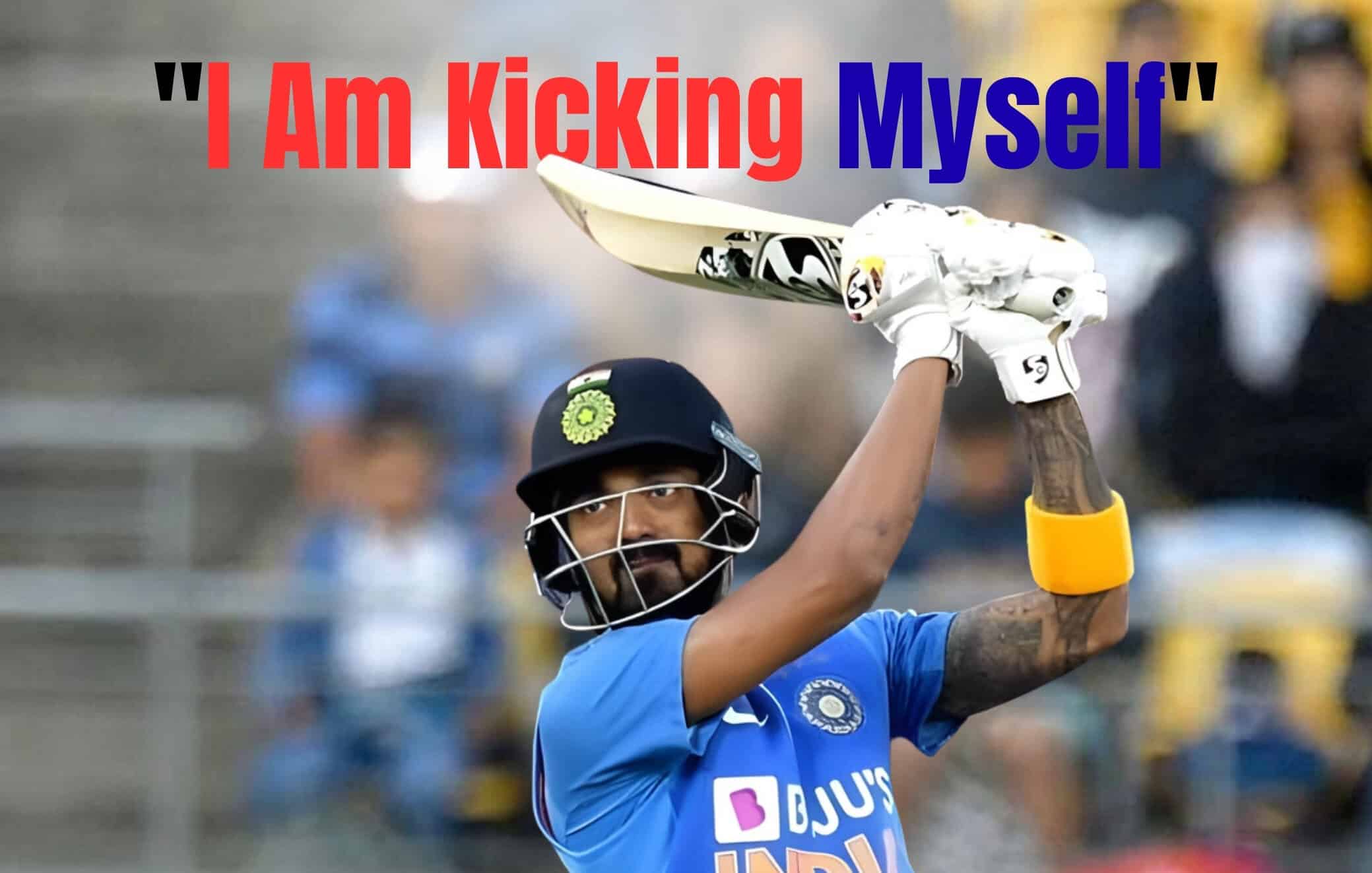
KL Rahul admitted that the toss played a pivotal role in his team’s stunning four-wicket defeat to South Africa in the second ODI of the three-match series in Raipur. Despite a scintillating batting display by Virat Kohli and Ruturaj Gaikwad, India’s bowlers struggled to defend a massive total of 358, allowing the Proteas to chase it down in 49.2 overs—a record run chase in India for South Africa.
A Monumental Batting Effort
Asked to bat first, India posted a formidable 358 for five. Kohli, in vintage style, scored 102 off 93 balls, marking his 53rd ODI century and the 84th international century of his career. Gaikwad, the rising star, made his maiden ODI ton, scoring 105 off 83 balls. Together, they stitched a 195-run partnership for the third wicket, breaking the 15-year-old record held by Sachin Tendulkar and Dinesh Karthik for the highest ODI partnership for India against South Africa.
Despite the impressive total, India’s bowlers found the conditions challenging. The match was played under lights with heavy dew, making the ball slippery and difficult to grip, especially for spinners.
KL Rahul Reflects on the Toss
Speaking at the post-match presentation, KL Rahul candidly admitted the toss was decisive in India’s loss.
“Not really a tough one to swallow, given how much dew there is and how difficult it is to bowl in the second innings,” Rahul said.
He added with a wry smile, “Thought we did well in the last game. Today the umpires were nice to change the ball. Toss plays a big role, so I’m kicking myself (laughs).”
Rahul’s comment reflects the modern cricketing reality where chasing or defending in dew-laden conditions often significantly affects outcomes. In two consecutive ODIs, India lost the toss, forcing them to field first in conditions that favored the chasing team.
Areas for Improvement
While acknowledging the toss’s impact, Rahul emphasized that India had opportunities to improve in key areas.
“With the bat, I know that 350 looks good, but that has been the chat in the dressing room even after the last game—about how we can get the extra 20-25 runs to give bowlers a cushion with the wet ball,” he explained.
This insight highlights an often-overlooked aspect of modern ODI cricket: scoring a seemingly massive total does not guarantee a win if the bowlers lack a cushion to defend against high-powered chases, especially under lights.
Rahul also praised his teammates for their brilliance at the top of the order.
“It was beautiful to watch Rutu and the way he batted. Virat—we have seen him do it 55 times, or 53. He just goes about doing his job. It was beautiful watching Rutu bat, the way he picked up the tempo after reaching his fifty.”
Indeed, the top-order performance was exemplary. Kohli and Gaikwad batted with intent, timing, and strategic awareness, putting India in a position where defending 350+ should have been plausible.
South Africa’s Record Chase
However, the Proteas had other plans. Aiden Markram led the charge with a century (110), supported by Matthew Breetzke (68) and Dewald Brevis (54). Their combined efforts saw South Africa reach 362 for six, completing the highest successful ODI chase against India, equaling Australia’s record chase of 358 in Mohali in 2019.
South African captain Temba Bavuma praised the team’s approach and composure under pressure:
“Happy to have crossed the line. Coming into this game, we were all thinking how can we get better with the ball. There were partnerships at the top, better showing from us, unbelievable game, record chase, and it shows how well we have to play against this Indian side.”
Bavuma also explained the strategy behind sending Dewald Brevis early in the innings, which proved effective:
“I tried to build a partnership with Aiden, tried to take the game deep, and it was all about the partnerships. The ploy to send Brevis early went in our favour. We can take a lot of confidence with this win.”
Competition Driving Performance
The South African skipper further emphasized the importance of internal competition for maintaining high standards within the squad.
“The guys who are here are the best; there is a high level of competition for positions. The batters know they have to be at their best. Performances like these do good for our confidence,” Bavuma added.
This focus on internal competition is increasingly recognized as a hallmark of modern cricketing setups, ensuring that players remain motivated and perform consistently under pressure.
Lessons for India
For India, the second ODI was a lesson in converting dominance into wins, especially in conditions that favor batting first. Despite centuries from Kohli and Gaikwad, the bowling unit struggled against the high-powered Proteas lineup.
- Dew factor: Bowling in the second innings under lights proved difficult, impacting spinners and pacers alike.
- Missed opportunities: KL Rahul acknowledged that even small lapses at crucial moments allowed partnerships to build and ultimately tilted the game in South Africa’s favor.
- Extra runs: The dressing room discussion about pushing totals beyond 350 highlights a strategic awareness that even small margins can impact outcomes.
In short, while India’s batting was exemplary, the match showcased the fine margins in modern ODIs, where pitch conditions, dew, and tactical decisions like toss and batting order can significantly influence results.
The Bigger Picture
The series is now leveled at 1-1, setting up a thrilling decider in Visakhapatnam. India will look to bounce back in the third ODI, making adjustments based on lessons learned from Raipur:
- Assessing bowling strategies under dew-heavy conditions.
- Finding ways to add small but critical runs to cushion totals.
- Maintaining intensity and concentration during crucial moments, especially in the death overs.
KL Rahul’s honesty and candid reflection highlight the importance of mental fortitude and tactical awareness in international cricket. Even with star performances at the top of the order, every aspect of the game—batting, bowling, fielding, and tactical decisions—plays a role in determining the outcome.
Conclusion
India’s 358 in Raipur was a monumental effort, led by Virat Kohli’s 53rd ODI ton and Ruturaj Gaikwad’s maiden century. Yet, the toss, dew factor, and a few missed opportunities proved decisive as South Africa completed a record chase in India.
KL Rahul’s reflection—”I am kicking myself”—encapsulates the fine margins of elite cricket. While the batting performance was inspiring, the defeat underscores the need for holistic performance, where preparation, strategy, and adaptability must align with individual brilliance.
As the series heads to a decider in Visakhapatnam, India will be looking to combine their batting firepower with sharper bowling execution, while South Africa will aim to continue their momentum. One thing is certain: this series has already provided cricket fans with thrilling contests, record-breaking partnerships, and a showcase of the modern game’s strategic and emotional depth.
🔗 Visit our other platforms:
8jjSports.com