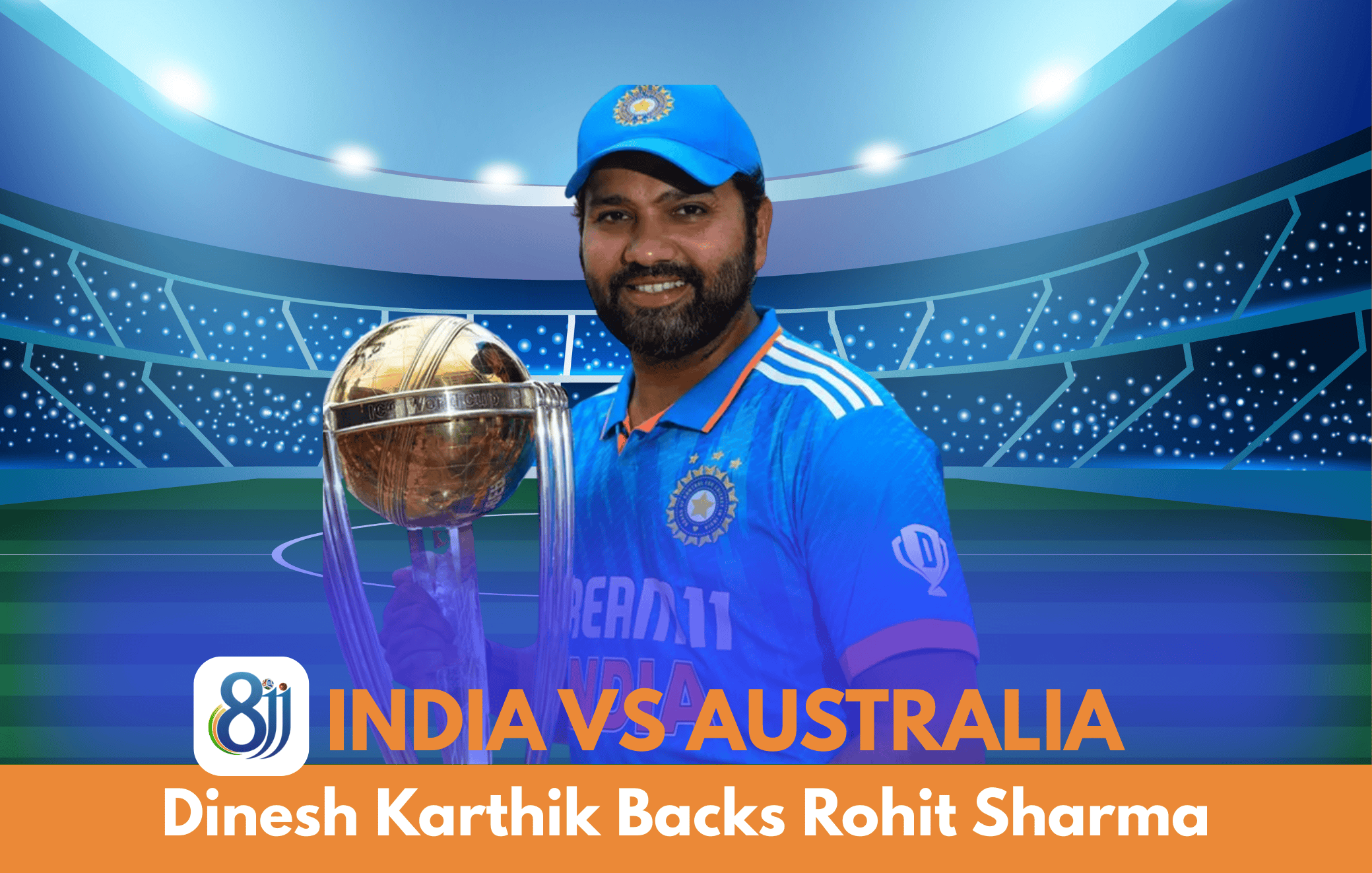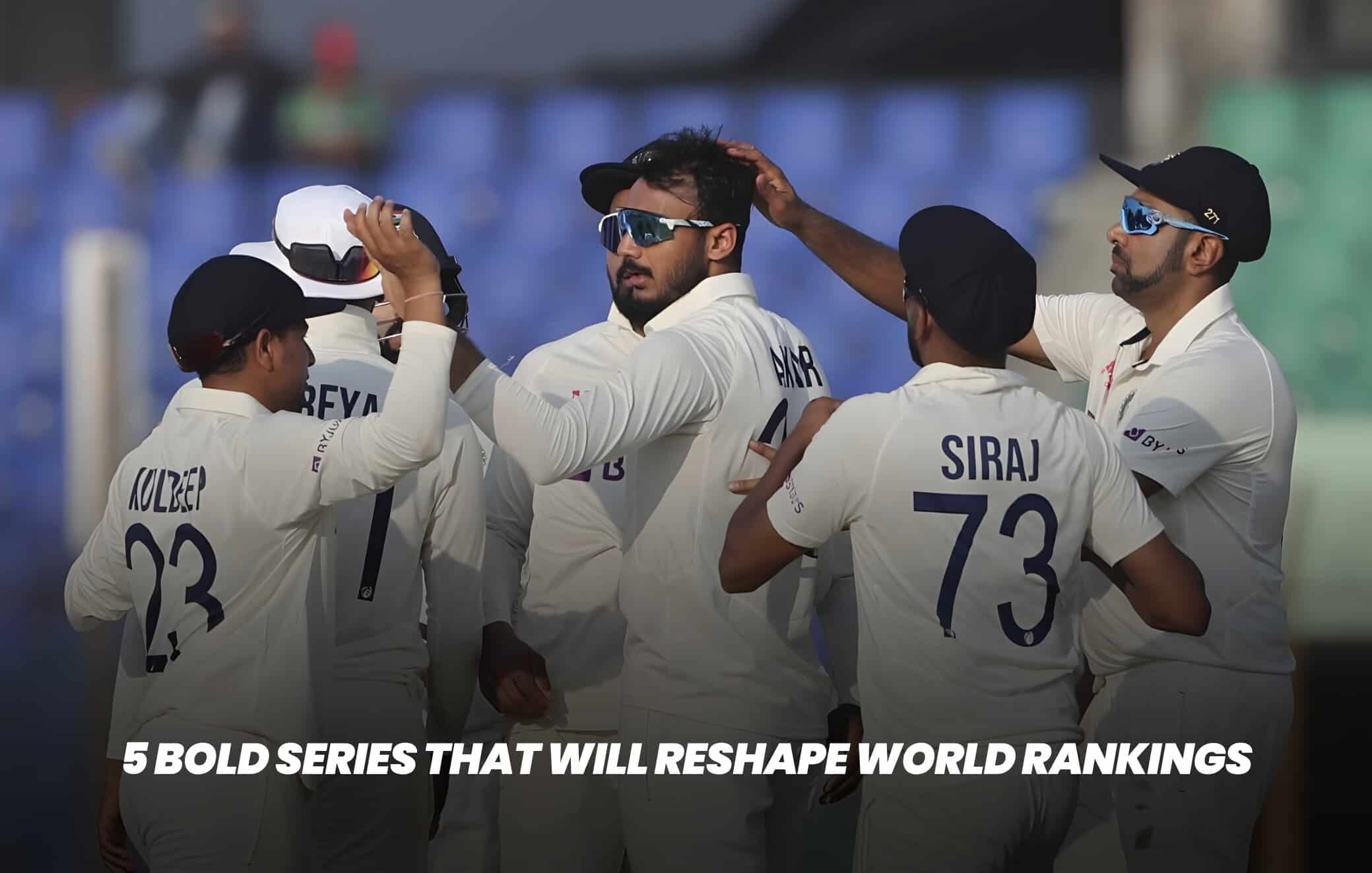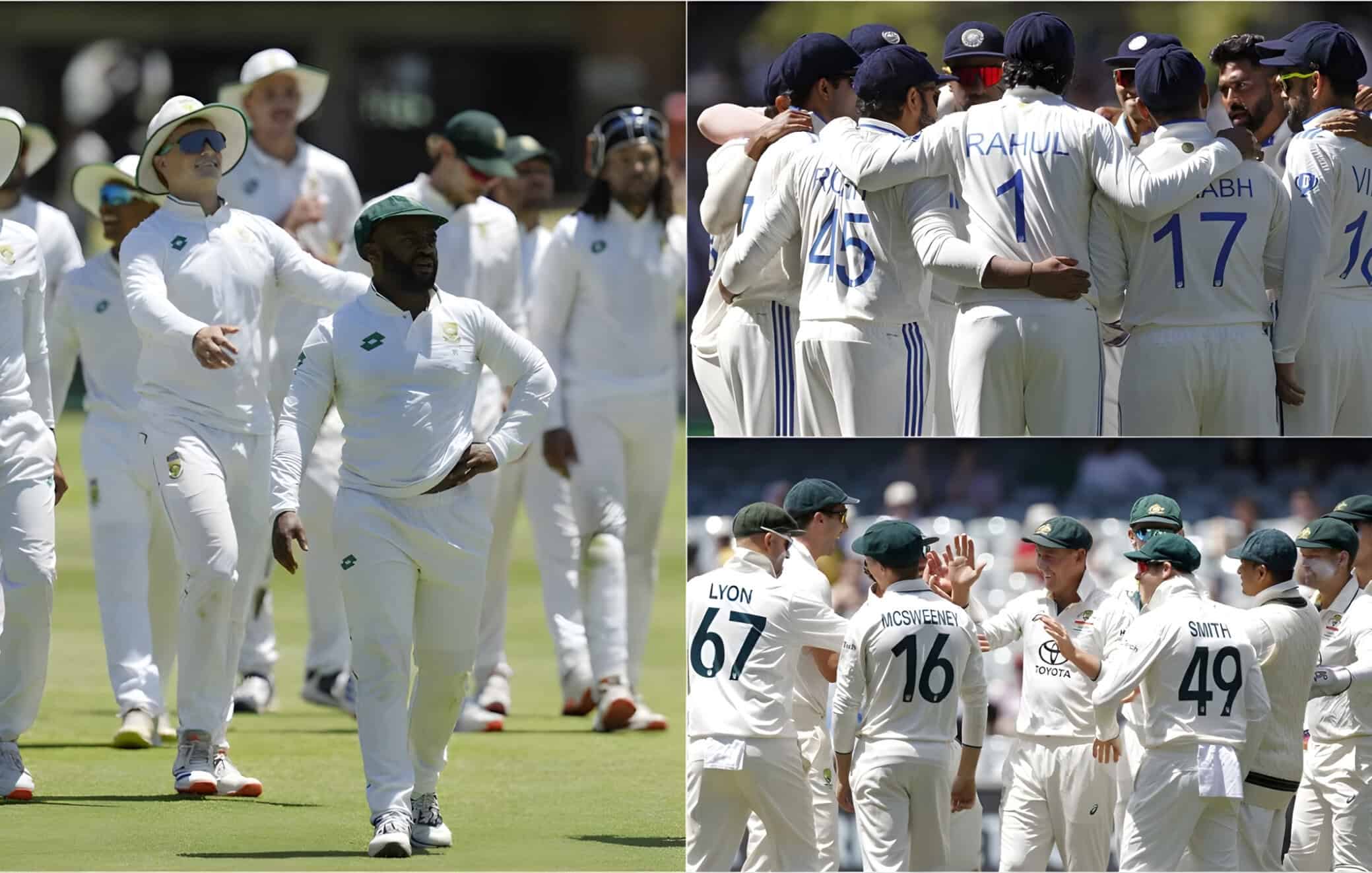
India’s ODI strategy is facing its most significant test in the ongoing series against Australia, as the team grapples with a stark difference between the conditions they thrived in earlier this year and the pace-friendly tracks of Australia. The reliance on a spin-heavy attack, with multiple allrounders filling key roles, has worked wonders in conditions like those in Dubai during the 2025 ICC Champions Trophy, where India remained unbeaten despite losing every toss. However, in Australia’s bouncy and seam-friendly conditions, that approach is being severely challenged.
Shifting from Spin to Pace: The Key Challenge
In Dubai, India was able to play to its strengths, opting for just a single specialist pacer in the lineup. The combination of Kuldeep Yadav and Varun Chakravarthy proved highly effective, especially on slow, dry pitches where the spinners could dominate. The middle overs were crucial during that campaign, as India’s spinners stifled opposition batters while also providing key breakthroughs.
However, conditions in Australia have been a far cry from the slow, low surfaces of Dubai. The bounce and seam movement on the Australian pitches have neutralized the threat of India’s spinners, leaving the team exposed in the middle overs. In the Perth ODI, the team’s spin-heavy attack appeared ineffective against Australia’s powerful top order, and Jasprit Bumrah’s absence—having been rested after the Test series against the West Indies—further weakened India’s bowling depth.
The inability to threaten the opposition in the middle overs and at the death has been a growing concern. Bumrah is known for his ability to control the back end of innings, making him crucial to India’s plans. His absence has left a noticeable void, both as a pacer and as a leader in the attack. This has underscored the team’s reliance on an attacking, well-rounded bowling unit, which in the absence of Bumrah, has faltered.
The First ODI at Perth: A Rain-Interrupted Challenge
The first ODI in Perth saw India lose their 16th consecutive toss, forcing them to bat first in what were difficult early-summer conditions. The match, which was interrupted by frequent rain delays, ultimately offered little for the team to analyze in terms of their ODI strategy. Two unlucky dismissals—one from Rohit Sharma and the other from Virat Kohli—before breaks in play undermined India’s chances of setting a strong total. Though India’s pacers, including Harshit Rana and others, found some movement, small errors in line and length allowed Travis Head and the Australian top order to capitalize on the conditions.
India’s Middle Overs and Bowling Strategy
The main talking point from the Perth ODI was the decision to leave Kuldeep Yadav out of the playing XI. This was a significant call by captain Shubman Gill, who opted for the extra batting depth instead. The choice, however, left India with limited wicket-taking options in the middle overs, which has traditionally been India’s most effective phase. With Harshit Rana batting at No. 9, India ended up with just three frontline fast bowlers and a mere 20 overs of part-time spin.
In conditions like those at Optus Stadium, this decision appeared to backfire. Australia’s top order was able to capitalize on the absence of a genuine spin threat, and the lack of a reliable middle-overs bowler made it difficult for India to choke the runs or force timely breakthroughs. Kuldeep Yadav, who has been a proven performer in the middle overs, has the ability to break partnerships and apply pressure. His omission raised questions about the balance between batting and bowling in India’s squad selection.
Possible Changes Going Forward
With the series now moving to Adelaide and Sydney, the need for a more balanced attack may force India to reconsider their approach. These venues, while still offering some bounce, tend to support both pace and spin to a greater degree than Perth. In these conditions, India may be compelled to field three specialist pacers, prioritizing balance over batting depth.
In the absence of Hardik Pandya, who continues to be sidelined, the team could be forced to make tactical changes in order to ensure that their bowling attack has enough firepower to compete. Mohammad Shami‘s exclusion from the tour, combined with Bumrah’s rest, has only added to the pressure on the remaining pacers.
The Importance of Rohit Sharma and Virat Kohli
While Shubman Gill has had his fair share of leadership success, the absence of Rohit Sharma and Virat Kohli from the ODI format for a few months proved a setback in the first ODI. The pair, crucial to India’s top order and stability, both fell cheaply in the opening match. As India looks to bounce back, much will depend on these two experienced batsmen—especially in conditions that are unfamiliar to India’s younger generation of players.
Kohli and Sharma, despite their recent form concerns, remain the backbone of India’s batting. The series against Australia will be an important opportunity for them to not only deliver with the bat but also provide the leadership and experience required to guide a young squad through a difficult transition.
The Puzzle of Batting Depth vs. Bowling Firepower
The fundamental issue at hand is the balance between batting depth and bowling firepower. India’s emphasis on strengthening the batting lineup, with the likes of Shreyas Iyer, KL Rahul, and Rishabh Pant in the middle order, is clearly a strategic move. However, in conditions where bowling conditions favor pace, this depth is being tested.
As India looks ahead to the 2027 ICC Cricket World Cup in South Africa, Zimbabwe, and Namibia, they will need to solve this conundrum. The squad must find a formula where they can stack their batting order without compromising on their ability to take wickets during key phases of the game.
The upcoming ODIs against Australia will be a vital test for India’s ODI strategy. The result of this series may well define the future direction India takes as they fine-tune their squad for the next World Cup. The focus will be on finding a formula where they can ensure competitive bowling depth while still preserving the explosive batting that has made them one of the most formidable teams in limited-overs cricket.
🔗 Visit our other platforms:
8jjSports.com