The ICC Umpiring Modernization has played a pivotal role in shaping the fairness, accuracy, and professionalism of international cricket. For decades, umpiring controversies and disputed decisions overshadowed games, creating tension among players, teams, and fans alike. Through a combination of governance reforms, technological integration, and neutral umpire systems, the ICC has gradually transformed decision-making into a transparent and reliable process. This evolution demonstrates how a traditional sport can embrace innovation without compromising its integrity.
The Early Challenges of Umpiring in Cricket
Before formal reforms, umpiring was largely subjective, often influenced by home advantage, cultural tensions, or miscommunication. High-profile disputes, such as Mike Gatting’s 1987 confrontation with Shakoor Rana in Faisalabad, exemplified the challenges. Touring teams frequently questioned the impartiality of local umpires, leading to deteriorating relations and controversies that sometimes threatened bilateral series. Initiatives such as Imran Khan bringing Indian umpires to Pakistan in 1986 were early attempts to mitigate biases, yet systemic reforms were necessary to ensure fairness across all international fixtures.
Introduction of Neutral Umpires
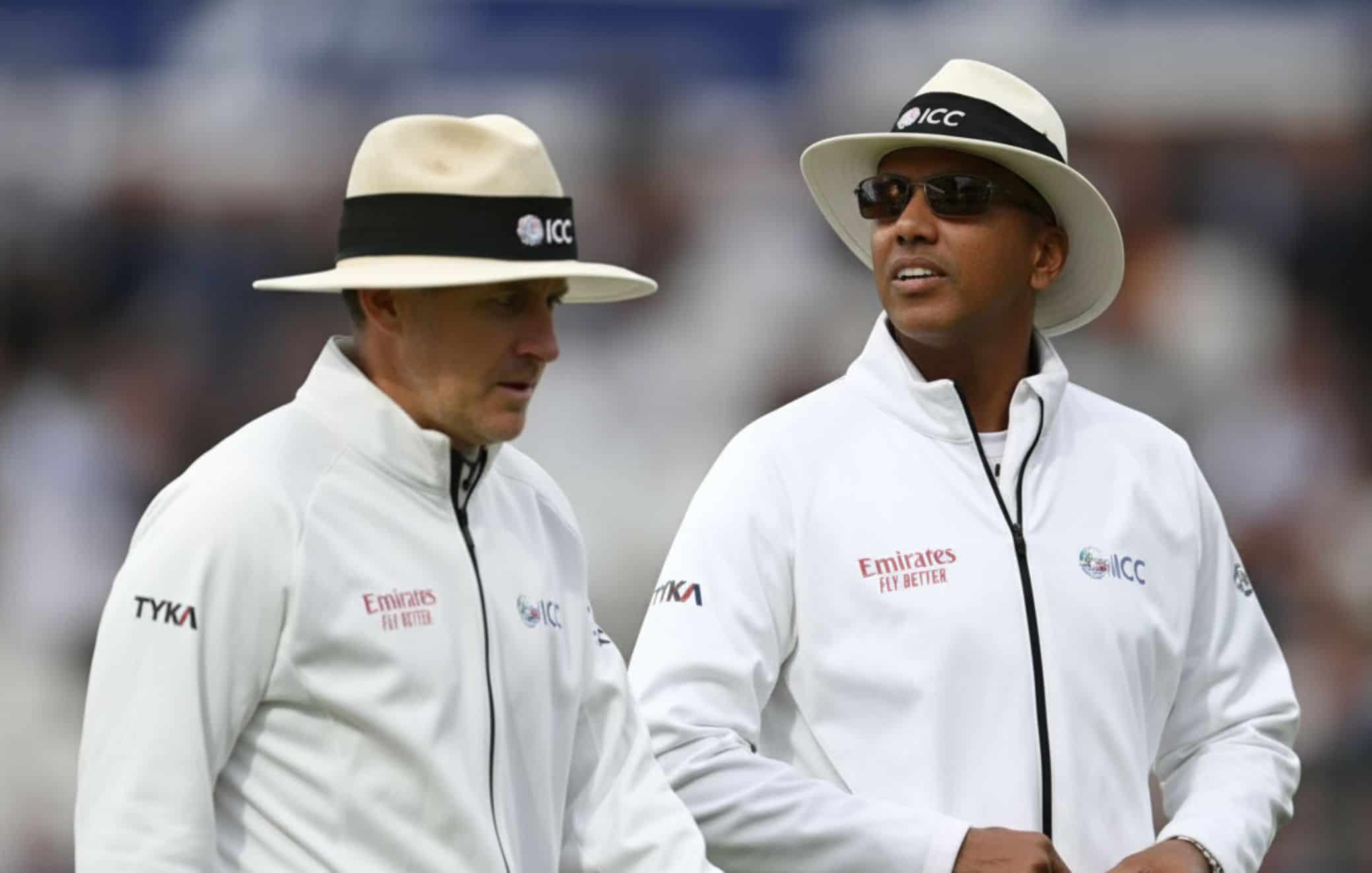
The concept of neutral umpires gained serious momentum in the early 1990s. In 1992, the ICC mandated that each Test match feature at least one neutral official, aiming to reduce accusations of home-country bias. Harold ‘Dickie’ Bird became the first neutral umpire in a Zimbabwe-India Test series, setting a precedent for future international cricket. By 2002, both on-field umpires were neutral, drawn from the ICC Elite Panel of Umpires. This panel ensured that officials were highly trained, experienced, and independent, eliminating conflicts of interest and enhancing the credibility of international matches.Is.
The Role of Match Referees
Alongside neutral umpires, the ICC introduced match referees to oversee discipline, player conduct, and on-field disputes. Mike Smith was appointed as the first referee under the new system in 1991/92. Over time, referees like Clive Lloyd and Raman Subba Row established clear standards, ensuring consistent application of rules. This role became especially crucial in managing misconduct, resolving disputes, and maintaining the spirit of cricket, complementing the authority of on-field umpires.
The BCCI and Disputes Over Authority
Despite these reforms, challenges arose, notably in 2001 when Mike Denness penalized six Indian players during a Test in South Africa. The BCCI objected to the ruling, leading to a temporary dispute over ICC authority and match legitimacy. The incident underscored the delicate balance between national boards and global governance. It also reinforced the importance of ICC oversight to maintain consistency, fairness, and the credibility of international cricket.
Technology in Cricket Decision-Making
The ICC began experimenting with technology in the 1990s, using TV cameras for run-out decisions. By 1995, technologies like Hawk-Eye and slow-motion replays were considered to assist umpires in complex decisions. The third umpire system evolved to reduce errors and alleviate on-field tensions.
The Emergence of the Decision Review System (DRS)
Senaka Weeraratna proposed player challenges to umpiring decisions in 1997, culminating in the formal DRS system by 2009. DRS combined slow-motion replays, stump microphones, Hawk-Eye, and Hot Spot technologies, allowing players to challenge decisions. By 2017, DRS became standard in all international series among full ICC members.
Modern Umpiring and Lessons Learned
Technology and neutral officials have made umpiring more accurate and transparent. Errors still occur, but the ICC Umpiring Modernization demonstrates how innovation and governance can coexist to maintain the sport’s integrity. As Simon Taufel highlighted in his 2013 Cowdrey Lecture, scrutiny has increased, but so has confidence in international umpiring.
Conclusion
The ICC Umpiring Modernization has transformed cricket, balancing tradition with innovation. From neutral umpires and match referees to DRS and cutting-edge technology, the game now operates with greater fairness, consistency, and credibility, benefitting players, officials, and fans alike.
🔗 Visit our other platforms:
8jjSports.com