Harry Brook has publicly addressed the fallout from a late-night altercation in New Zealand, admitting he made a “terrible mistake” that nearly cost him the England white-ball captaincy. Speaking from Colombo ahead of the ODI series against Sri Lanka, Brook expressed deep regret over an incident in Wellington last October where he was “clocked” by a nightclub bouncer after being refused entry.
The 26-year-old, who was fined £30,000 and placed on a final warning by the England and Wales Cricket Board (ECB), acknowledged that his actions were unprofessional for any player, but particularly for a leader. As England prepares for a vital series in the subcontinent, the captain is now focused on rebuilding his reputation and proving his commitment to the national side.
Harry Brook Faces Consequences for Wellington Nightclub Incident
The details of the Harry Brook disciplinary case have cast a shadow over England’s recent preparations. The incident occurred on October 31, 2025, the night before the third ODI against New Zealand. After a few drinks with teammates, Brook ventured out alone to a Wellington nightclub where the physical altercation took place. Despite the “final warning” status, the ECB hierarchy decided to retain Brook as captain, a decision the player himself admits was fortunate.
The England cricket captaincy was under intense scrutiny during a secret disciplinary process that only became public following the conclusion of the Ashes in early 2026. Brook reported the matter to management mid-game the following day, a move that likely saved his leadership role.
Addressing the England Cricket Drinking Culture Allegations
In his first major press conference since the news broke, Brook was quick to dismiss claims of a systemic England cricket drinking culture. Critics had pointed to social media footage and reports of players drinking during a mid-Ashes break in Noosa as evidence of a lack of discipline.
However, Brook insisted that the team consists of individuals capable of making their own responsible choices. While he admitted to having “one too many” in Wellington, he argued that socialising is a natural human activity and not indicative of a deeper problem within the squad. “Everybody has the ability to say no,” Brook stated, emphasizing that the focus should remain on performance rather than off-field relaxation.
New Midnight Curfew for Sri Lanka Tour 2026
To mitigate further risks and silence critics, the management has implemented a strict midnight curfew for the Sri Lanka tour 2026. This decision was described by Brook as a “group decision” aimed at putting the team in the best possible position to win. After losing 11 of their last 15 matches in the 50-over format, the squad is under immense pressure to deliver results.
The curfew represents a shift toward a more disciplined environment as England looks to navigate the challenging conditions in Colombo and Kandy. By establishing these boundaries, the team hopes to refocus on the technical demands of subcontinental cricket and leave the distractions of the New Zealand tour behind.
Tactical Changes for England vs Sri Lanka ODI Series
As the focus shifts back to the pitch, several key England vs Sri Lanka ODI squad changes have been confirmed. The most notable return is that of Zak Crawley, who is set to open the batting for the first time in List A cricket since late 2023. Crawley replaces Jamie Smith at the top of the order, providing a more experienced presence alongside Phil Salt.
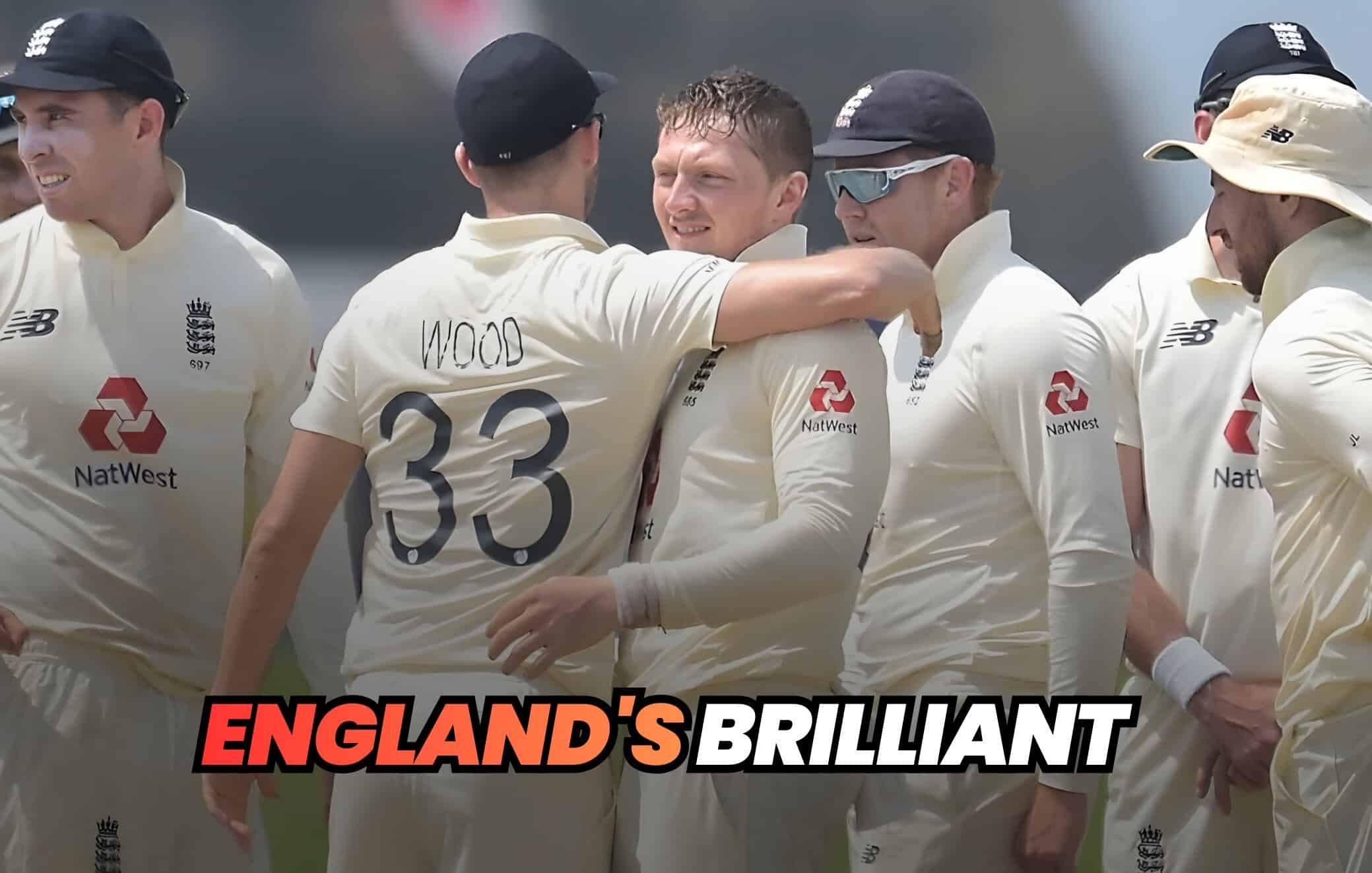
Additionally, the spin department has been bolstered with the selection of Liam Dawson to partner Adil Rashid. This dual-spin attack is expected to be crucial on the slow, turning tracks of the R. Premadasa Stadium. For Brook, leading this revamped side is the first step in his journey to regain the trust of his teammates and the British public.
Brendon McCullum Support Amid Coaching Scrutiny
Despite the personal and team struggles, Harry Brook remains a staunch defender of head coach Brendon McCullum. Following a 4-1 Ashes defeat and a poor run in ODIs, McCullum’s “Bazball” philosophy in white-ball cricket has been questioned by former players like Sir Geoffrey Boycott. Nevertheless, Brook labeled McCullum as “the best head coach I’ve had by a million miles.” The captain believes that the freedom afforded by McCullum is essential for the team’s growth, provided the players maintain the professional standards expected of them. As the Sri Lanka tour 2026 gets underway, the synergy between the captain and coach will be tested as they strive to turn around England’s fortunes before the upcoming T20 World Cup.
Rebuilding Professional Standards and Player Trust
The path forward for the England cricket captaincy involves more than just scoring runs; it requires a restoration of cultural integrity. Brook has sought advice from Test captain Ben Stokes, who faced similar public scrutiny after a nightclub incident in 2018.
Stokes, while initially displeased with Brook’s actions, has acted as a mentor, helping the younger player navigate the complexities of public apology and internal reconciliation. Brook has already addressed the squad privately, offering an unreserved apology for the embarrassment caused. By taking full responsibility and “holding his hands up,” Brook hopes to move past the controversy and lead England into a successful new era of limited-overs cricket.
🔗 Visit our other platforms:
8jjSports.com