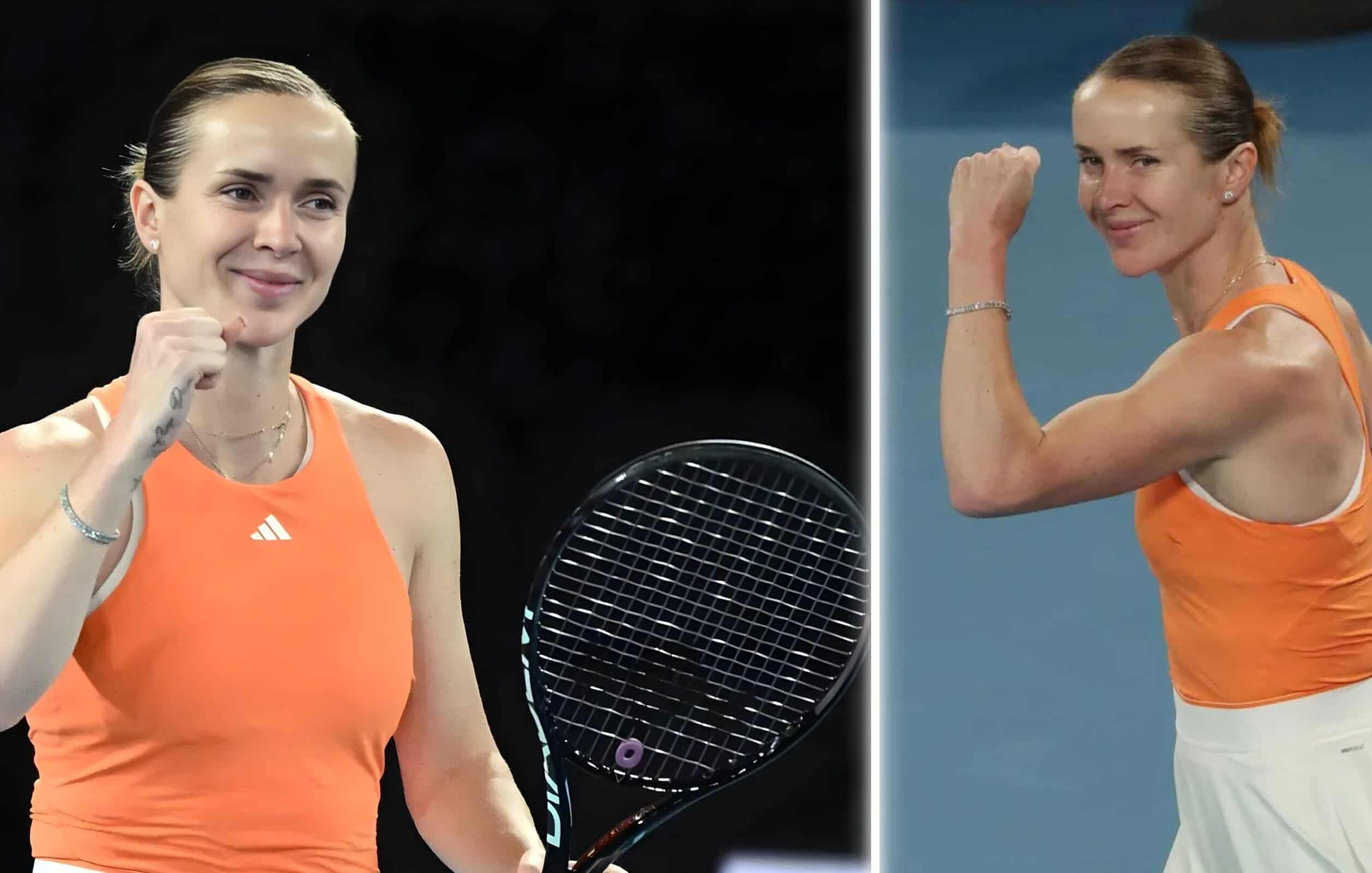
Elina Svitolina has credited a mental health break last year for her remarkable run to the Australian Open semi-finals. The 31-year-old Ukrainian player stunned third seed Coco Gauff with a dominant 6-1, 6-2 victory, securing a clash with world number one Aryna Sabalenka for a spot in the final. This article explores Svitolina’s decision to step back, her triumphant return, and the impact of mental wellness on elite tennis performance.
Elina Svitolina’s Strategic Break and Its Impact
Svitolina ended her 2025 season in September after discussions with her team, family, and husband Gael Monfils. The former world number three recognized that continuing without a break could have led to exhaustion and injuries. Reflecting on her decision, Svitolina said, “If I hadn’t stopped and would keep pushing last year, I think I wouldn’t start here, I would be exhausted and even not sure if I would be injury-free.” Her time off allowed her to recharge both physically and mentally, laying the foundation for her Australian Open success.
Mental Health in Tennis: Why Rest Matters
Elite athletes often push themselves to the limit, but mental and physical fatigue can significantly hinder performance. Svitolina’s break highlights the importance of mental health in tennis, emphasizing that stepping back can lead to stronger results. She commented, “When you play at the highest level and you push yourself and you are on the edge, this is where the injuries happen…your body gives up. So for me it was important to just step back.” Her approach underscores a growing focus on wellness in professional sports.
Coco Gauff Match: A Statement Victory
In Melbourne, Svitolina faced third seed Coco Gauff in the quarter-finals. She delivered a commanding 6-1, 6-2 win, showcasing her renewed energy and focus. The victory marked her 10th consecutive match win following her title in Auckland, underlining the effectiveness of her mental health strategy. Analysts praised Svitolina’s composure and tactical awareness, noting that her match against Gauff was a clear statement of intent ahead of the semi-finals.
Australian Open Semi-Finals: Svitolina vs Sabalenka
Looking ahead, Svitolina will meet world number one Aryna Sabalenka in the semi-finals. This marks her fourth Grand Slam semi-final, though she has never yet reached a final. The upcoming clash promises to test her resilience and strategy, as Sabalenka is one of the top contenders in women’s tennis. Fans and commentators alike are watching closely to see if Svitolina’s mental rejuvenation translates into a historic Grand Slam final appearance.
The Role of Family and Support System
Svitolina credits her support system — including husband Gael Monfils and her coaching team — for helping her make the difficult decision to pause her season. Their guidance allowed her to reflect, recover, and return stronger. She noted that having trusted advisors and family around her was key in managing the pressures of elite tennis and prioritizing wellness without compromising future performance.
Career Highlights and Recent Form
Before her semi-final run, Svitolina had already captured the Auckland title this year, marking her return to competitive form. Her 10-match winning streak demonstrates her readiness to compete at the highest level. With previous Grand Slam semi-final appearances, she now combines experience with renewed mental clarity, making her a serious contender at the Australian Open.
Lessons for Professional Tennis Players
Svitolina’s approach offers a blueprint for athletes navigating burnout and high-pressure environments. Prioritizing mental health can lead to improved performance, injury prevention, and longer careers. Her story encourages tennis players to recognize signs of fatigue, step back when necessary, and strategically manage their schedules for peak performance during critical tournaments.
Conclusion: Mental Health as a Competitive Edge
In conclusion, Elina Svitolina’s mental health break has been pivotal in her Australian Open journey. Her dominant Coco Gauff match, upcoming clash with Aryna Sabalenka, and overall career resurgence highlight the benefits of balancing rest and competition. As elite athletes continue to face immense physical and psychological demands, Svitolina’s experience reinforces that prioritizing mental wellness can be a game-changing strategy.
🔗 Visit our other platforms:
8jjSports.com