ECB Verdict Brings Closure to Ashes Drinking Allegations
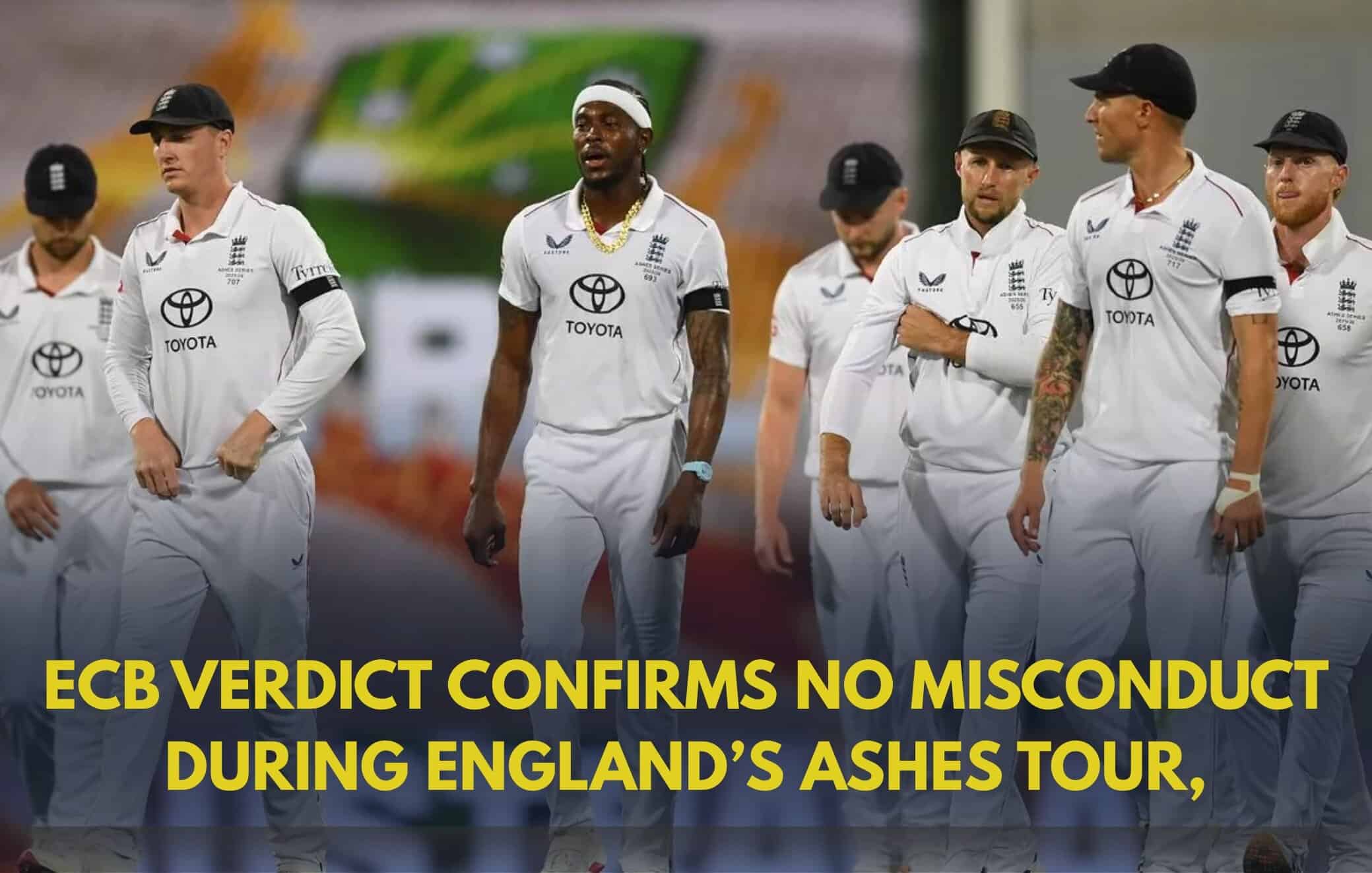
The long-awaited ECB Verdict on reports of excessive drinking by England players during the Ashes tour has finally brought clarity and relief to the camp. After weeks of scrutiny and speculation, the England and Wales Cricket Board concluded its internal investigation, determining that no formal misconduct occurred during the controversial break between the second and third Ashes Tests in Australia. The decision brings an end to a distracting chapter for English cricket at a time when focus is shifting toward rebuilding confidence and performance on the field.
Background to the England Ashes Tour Controversy
The controversy emerged during the England Ashes tour following reports that players engaged in heavy drinking sessions while staying at a beachside resort in Queensland. Media attention intensified after videos surfaced online, allegedly showing players under the influence. These reports prompted questions about discipline, professionalism, and leadership within the squad, especially given England’s struggles on the field. The ECB Verdict was awaited closely, as it carried implications not only for the players involved but also for the management culture surrounding the team.
Investigation Timeline and Key Findings
The investigation focused on a nine-day gap between the second and third Tests, during which the England squad spent time at the Noosa resort. According to findings summarized in the ECB Verdict, there was no evidence of behavior that breached team protocols or required disciplinary action. The board acknowledged that while the environment may have been relaxed, nothing crossed the threshold of misconduct. Importantly, officials emphasized that any serious incident would have been flagged immediately rather than surfacing retrospectively after the Ashes had effectively been decided.
Why No Formal Action Was Taken
A critical element of the ECB Verdict was the role of the team’s security and management structure. Security personnel were present throughout the stay and were authorized to intervene if any red flags emerged. The absence of intervention or reports during the period weighed heavily in the final assessment. ECB leadership accepted that sending the entire squad to a small resort may not have been ideal, but concluded that the activities amounted to nothing more than social drinking, falling within acceptable boundaries for professional athletes during downtime.
Management Reflections After the ECB Verdict
While the ECB Verdict cleared players of wrongdoing, it also prompted internal reflection. Some members of England’s management reportedly acknowledged that aspects of the Ashes tour had been “too loose,” suggesting lessons must be learned. The decision to keep the squad together rather than dispersing players during an extended break was identified as a potential misstep. These reflections underline that, although no misconduct occurred, governance and planning processes may need refinement going forward.
Player Relief as Focus Shifts Back to Cricket
The announcement of the ECB Verdict has reportedly lifted a weight from the shoulders of England players. With speculation removed, the squad can now concentrate fully on cricketing objectives rather than off-field narratives. This clarity is critical as England looks to regain consistency after a challenging Ashes campaign that exposed gaps in execution and resilience. Ending the investigation allows players and staff to draw a line under the episode and redirect attention to performance improvement.
Impact on England’s Ashes Narrative
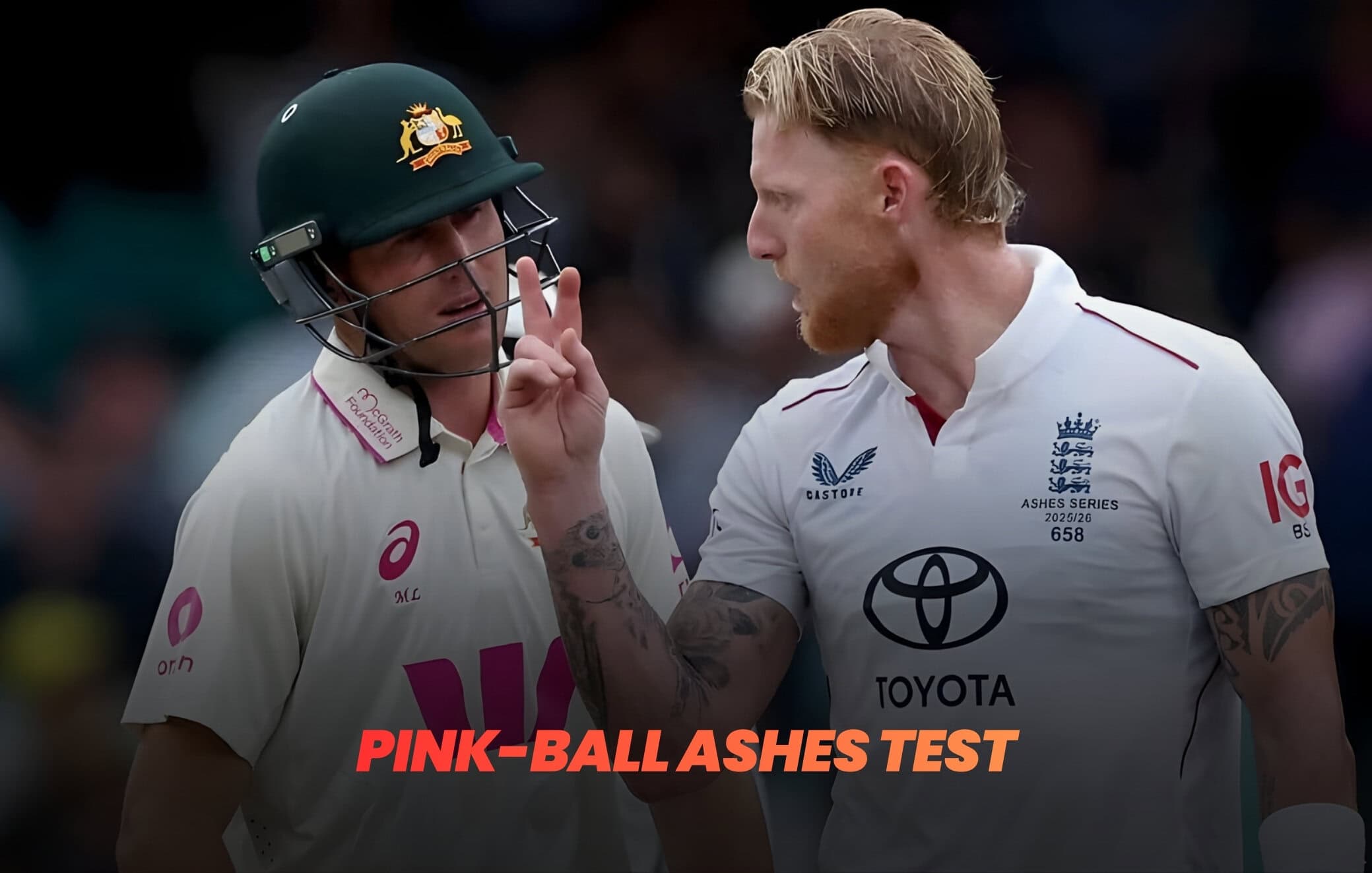
The Ashes series itself had already slipped beyond England’s control before the controversy emerged, with the team falling into an unassailable deficit. In that context, the ECB Verdict reinforces the view that off-field behavior was not a decisive factor in the series outcome. Instead, tactical shortcomings, inconsistent batting, and bowling inefficiencies played a greater role. The verdict helps reframe the Ashes narrative away from disciplinary issues and back toward cricketing analysis and lessons learned.
Leadership and Culture Under the Spotlight
Even with the ECB Verdict delivering exoneration, leadership culture remains a topic of discussion. England cricket has embraced a more relaxed and player-empowered environment in recent years, prioritizing mental well-being and freedom. This case has tested the boundaries of that philosophy. The challenge now lies in maintaining balance—allowing players autonomy while ensuring standards remain uncompromised during high-stakes tours like the Ashes.
ECB Verdict and Public Perception
Public reaction to the ECB Verdict has been mixed. Some fans welcomed the transparency and closure, while others questioned whether standards should be stricter given the prestige of the Ashes. From the ECB’s perspective, consistency and fairness were central to the decision-making process. By relying on evidence rather than speculation, the board aimed to reinforce trust in its governance framework and avoid reactionary judgments driven by media pressure.
Looking Ahead to England’s Next Assignment
With the ECB Verdict finalized, England’s immediate focus turns to upcoming fixtures and long-term planning. The team will aim to carry momentum from a morale-boosting Test win late in the Ashes into future series. Addressing tactical weaknesses, strengthening squad depth, and refining tour logistics will be priorities as England seeks to compete more effectively in challenging overseas conditions.
Lessons Learned Beyond the Verdict
Beyond clearing players, the ECB Verdict serves as a learning moment for England cricket’s administrative and leadership structures. Tour planning, rest management, and communication protocols may be reviewed to avoid similar controversies. The emphasis will be on proactive decision-making that minimizes distractions while supporting player welfare—a delicate but essential balance in modern international cricket.
ECB Verdict Closes a Chapter, Not the Conversation
Ultimately, the ECB Verdict brings formal closure to the Ashes drinking investigation, confirming that no disciplinary action is warranted. However, it does not end the broader conversation about professionalism, leadership, and culture within elite sport. For England, the challenge now is to convert clarity into progress, ensuring that future tours are remembered for cricketing excellence rather than off-field debate.
🔗 Visit our other platforms:
8jjSports.com