BCCI refund details were formally clarified after the fourth T20I between India and South Africa was abandoned due to dense fog and poor visibility in Lucknow. The washout, which occurred before a single ball was bowled, left thousands of spectators frustrated and seeking clarity on reimbursement. With the series delicately poised, the incident placed administrative procedures under scrutiny, prompting an official response on ticket refunds and scheduling accountability.
BCCI Refund Responsibility Assigned to UPCA
The BCCI refund process, according to Secretary Devajit Saikia, does not fall directly under the board’s operational control. He confirmed that the Uttar Pradesh Cricket Association (UPCA), as the host body, is solely responsible for ticketing and refunds. Hosting rights granted by the BCCI give state associations complete authority over ticket sales, pricing, and reimbursement in cases of abandonment. As a result, affected spectators must coordinate directly with UPCA for a full BCCI refund resolution.
Clear Division of Administrative Roles
Saikia emphasized that while the BCCI oversees the international calendar, logistical and commercial operations remain decentralized. This distinction becomes critical during abandoned fixtures, as refund execution depends on host associations rather than national governance. The clarification aims to eliminate confusion surrounding the BCCI refund mechanism.
Fog Forces Abandonment of 4th SA T20I
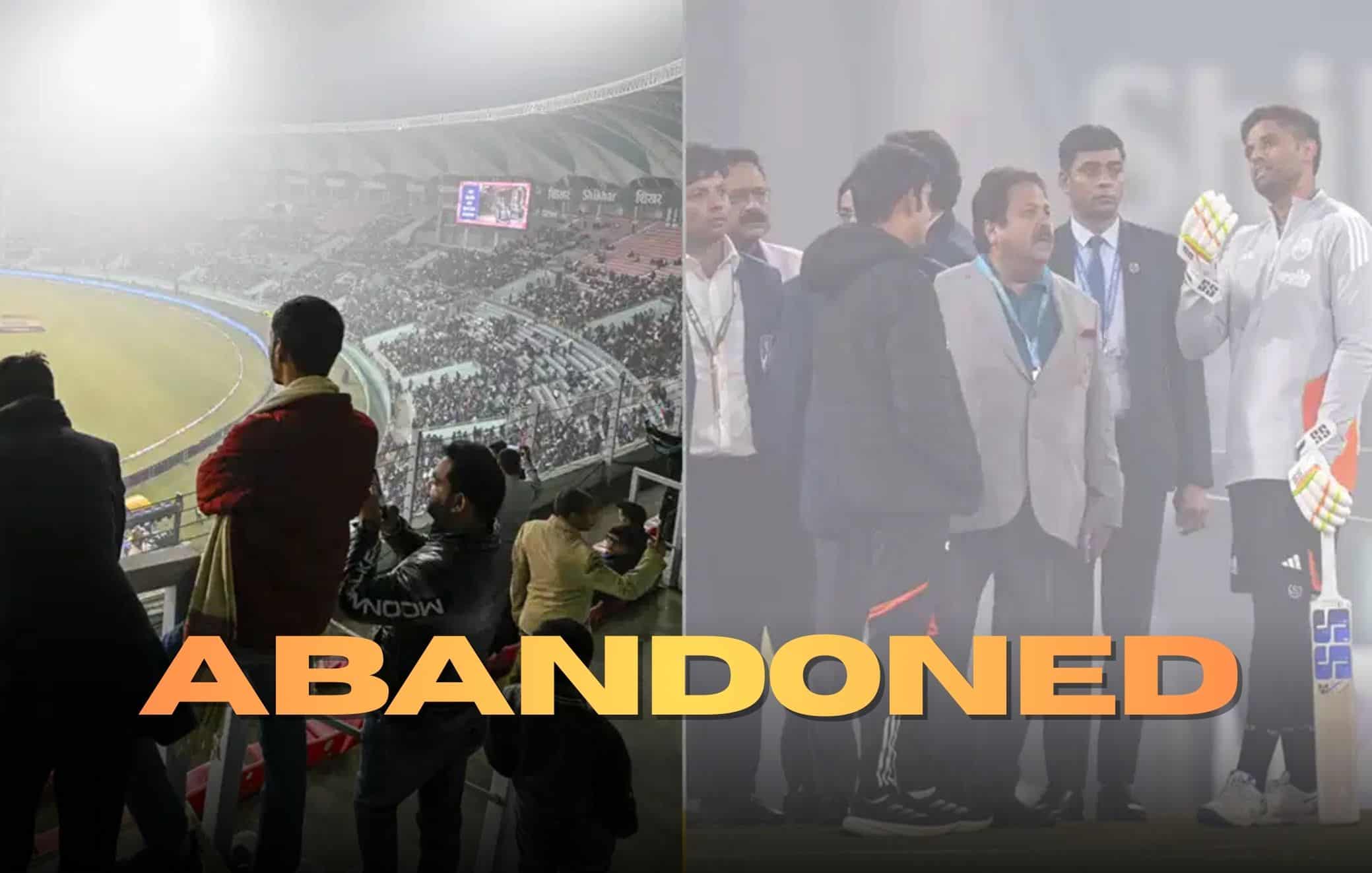
The fourth T20I at the BRSABV Ekana Cricket Stadium was officially abandoned at 9:30 pm following multiple inspections by on-field umpires K.N. Ananthapadmanabhan, Rohan Pandit, and reserve umpire J.R. Madanagopal. Persistent fog reduced visibility to unsafe levels, making play impossible. Since no delivery was bowled, the situation met the criteria for a full BCCI refund under standard match-abandonment protocols.
Winter Fog Renews Scheduling Debate
The abandoned fixture reignited long-standing concerns over hosting international matches in North India during winter months. Visuals of Hardik Pandya wearing a protective mask on the field underscored both visibility and air-quality issues. The BCCI refund discussion quickly expanded into broader scheduling criticism, with fans questioning venue selection amid predictable seasonal fog patterns.
BCCI Defends Scheduling Decisions
Addressing the criticism, Saikia noted that such weather conditions were unusually early for December. He explained that January fixtures in North India are typically avoided, and adjustments are often made to domestic tournaments like the Ranji Trophy to mitigate fog and smog risks. According to Saikia, the circumstances surrounding this match were exceptional rather than negligent, and the BCCI refund situation should not be interpreted as a systemic failure.
Weather Predictability Limits Preventive Measures
Saikia also highlighted the limitations of long-term weather forecasting. While historical data informs scheduling decisions, sudden environmental shifts remain unpredictable. He cited previous instances where Test venues were swapped between New Delhi and Kolkata to avoid smog-related disruptions, reinforcing that proactive steps are taken when risks are identifiable. The Lucknow fog incident, however, fell outside reliable prediction windows, complicating preventive planning despite BCCI refund safeguards.
Impact on India vs South Africa Series
At the time of abandonment, India led the five-match T20I series 2–1. The washout preserved that advantage heading into the final match at the Narendra Modi Stadium in Ahmedabad. While the abandoned game did not affect points, it heightened fan dissatisfaction, making the clarity around the BCCI refund process even more significant in maintaining public trust.
UPCA’s Role in Executing BCCI Refund
UPCA now carries full responsibility for processing the BCCI refund for ticket holders. This includes verification, reimbursement timelines, and communication with affected spectators. While the BCCI sets overarching guidelines, execution at the ground level rests entirely with the state association, reinforcing the decentralized structure of Indian cricket administration.
Fan Expectations and Transparency
For fans, transparency around the BCCI refund process is critical. Clear communication helps manage expectations and prevents misinformation from spreading during disruptions. The board’s clarification aims to streamline grievance resolution by directing spectators to the correct authority, reducing administrative overlap and delays.
BCCI Refund Process Explained
The BCCI refund clarification following the fog-abandoned fourth T20I provides necessary administrative clarity amid fan frustration. With UPCA confirmed as the responsible authority, ticket holders now have a clear pathway to reimbursement. While the incident exposed challenges linked to winter scheduling, the board maintains it was an isolated event. As international cricket continues under demanding conditions, effective communication around issues like the BCCI refund process remains essential to sustaining fan confidence and operational credibility.
🔗 Visit our other platforms:
8jjSports.com