BCCI Farewell Controversy Sparks Strong Reactions
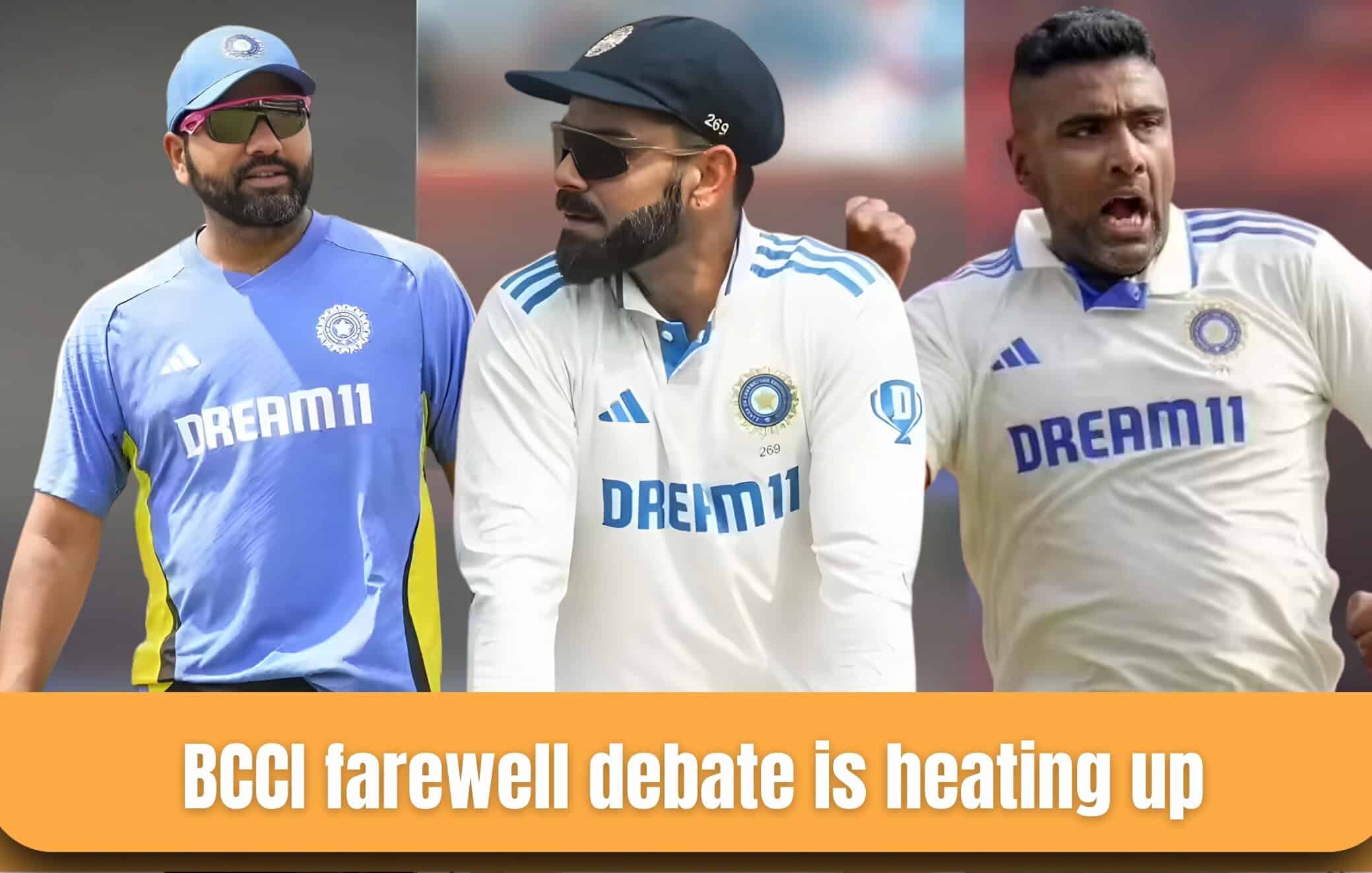
The BCCI farewell debate has intensified after former England spinner Monty Panesar openly criticized the Indian cricket board for failing to organize farewell Test matches for some of India’s greatest modern cricketers. According to Panesar, legends like Virat Kohli, Rohit Sharma, and Ravichandran Ashwin deserved a more respectful and memorable send-off after years of exceptional service to Indian cricket.
The remarks have reignited discussions among fans and experts about how India honors its retiring icons compared to other major cricketing nations. The absence of official farewell Tests has raised questions about traditions, planning, and the emotional closure elite athletes expect at the end of their careers.
Monty Panesar Questions BCCI Farewell Culture
Monty Panesar did not mince his words while addressing the BCCI farewell issue. He argued that the Indian board missed an opportunity to celebrate three stalwarts who shaped an era of Indian cricket. Drawing comparisons with England, Panesar highlighted how players such as Stuart Broad and James Anderson were given grand farewell matches that allowed fans and teammates to celebrate their contributions.
According to Panesar, public recognition at retirement is not just symbolic but essential in preserving cricketing heritage. His comments struck a chord with many supporters who felt that India’s greatest names exited the Test arena too quietly.
Virat Kohli Retirement and Its Impact
The BCCI farewell debate is closely tied to Virat Kohli retirement from Test cricket. Kohli ended his red-ball career after 14 years, leaving behind a legacy defined by intensity, leadership, and consistency. With over 9,200 runs and 30 centuries, Kohli is widely regarded as one of India’s finest Test batters and captains.
Despite these achievements, his retirement passed without a designated farewell Test. Many fans believe a formal send-off would have allowed Indian cricket to honor Kohli’s transformative influence on fitness culture, aggression, and overseas performances.
Rohit Sharma Test Career Deserved Recognition
Another major name linked to the BCCI farewell discussion is Rohit Sharma. The elegant opener retired from Tests after amassing more than 4,300 runs and leading India during a critical phase of transition. Rohit’s success at the top of the order, especially in home conditions, redefined his red-ball reputation later in his career.
Supporters argue that Rohit Sharma Test career achievements, including leading India to a World Test Championship final, warranted a farewell match that celebrated his journey from a middle-order batter to a dependable opener and leader.
Ravichandran Ashwin Legacy Goes Beyond Numbers
The BCCI farewell conversation gains further weight when considering Ravichandran Ashwin legacy. Ashwin retired as India’s second-highest wicket-taker in Tests, finishing with over 500 wickets and numerous match-winning performances across conditions.
Beyond statistics, Ashwin’s cricketing intelligence, innovation, and ability to evolve made him one of the most influential spinners of his generation. Critics believe a farewell Test would have been a fitting tribute to a player who consistently delivered on the biggest stages for more than a decade.
England’s Farewell Tradition vs India’s Approach
Panesar’s remarks highlighted a sharp contrast between England’s traditions and the BCCI farewell approach. England has a history of planning retirement matches that allow players to exit on their own terms, surrounded by teammates and fans. Such gestures strengthen emotional bonds between players and supporters.
In comparison, India’s packed schedule and selection-driven exits often mean legends step away quietly. This difference has fueled debate about whether administrative efficiency has overtaken sentiment in Indian cricket management.
Why Farewell Tests Matter in Modern Cricket
The BCCI farewell issue is not merely about ceremony; it reflects how cricket boards value legacy. Farewell Tests provide closure, inspire younger players, and preserve the sport’s narrative. They also offer fans a chance to celebrate heroes who shaped their love for the game.
As cricket becomes increasingly commercial, balancing schedules with tradition has become challenging. However, critics argue that honoring legends should remain a priority regardless of calendar constraints.
BCCI’s Perspective and Practical Challenges
While the BCCI farewell criticism is widespread, supporters of the board point to logistical realities. International calendars are crowded, and retirements are sometimes announced suddenly. Selection policies, fitness concerns, and team balance also influence decisions around farewell matches.
Nevertheless, the debate has prompted calls for clearer retirement protocols that ensure legends receive appropriate recognition without disrupting competitive plans.
Fan Reactions to the BCCI Farewell Debate
Fans have played a central role in amplifying the BCCI farewell discussion on social media. Many expressed disappointment that icons like Kohli, Rohit, and Ashwin did not receive the send-offs they deserved. Others defended the board, arguing that achievements speak louder than ceremonies.
This division reflects a broader shift in how fans perceive modern cricket, where emotional connection often clashes with administrative pragmatism.
Looking Ahead: Will BCCI Change Its Approach?
The ongoing BCCI farewell debate may influence how future retirements are handled. With several senior players nearing the end of their careers, the board faces growing pressure to adopt a more celebratory and structured approach to farewells.
If lessons are learned from this episode, Indian cricket could strike a better balance between honoring legends and managing the demands of an evolving global calendar, ensuring future greats receive the recognition they deserve.
🔗 Visit our other platforms:
8jjSports.com