Bangladesh boycott shakes T20 World Cup 2026 plans
Bangladesh’s boycott has emerged as one of the most controversial developments ahead of the T20 World Cup 2026, after the Bangladesh Cricket Board (BCB) decided not to send its national team to India. The decision followed rising diplomatic tension, security concerns, and the sudden release of Mustafizur Rahman from the Indian Premier League on instructions from the BCCI decision-makers. This move has triggered serious questions over player safety, tournament logistics, and the role of the ICC intervention in resolving the dispute.
BCCI decision triggers Bangladesh boycott concerns
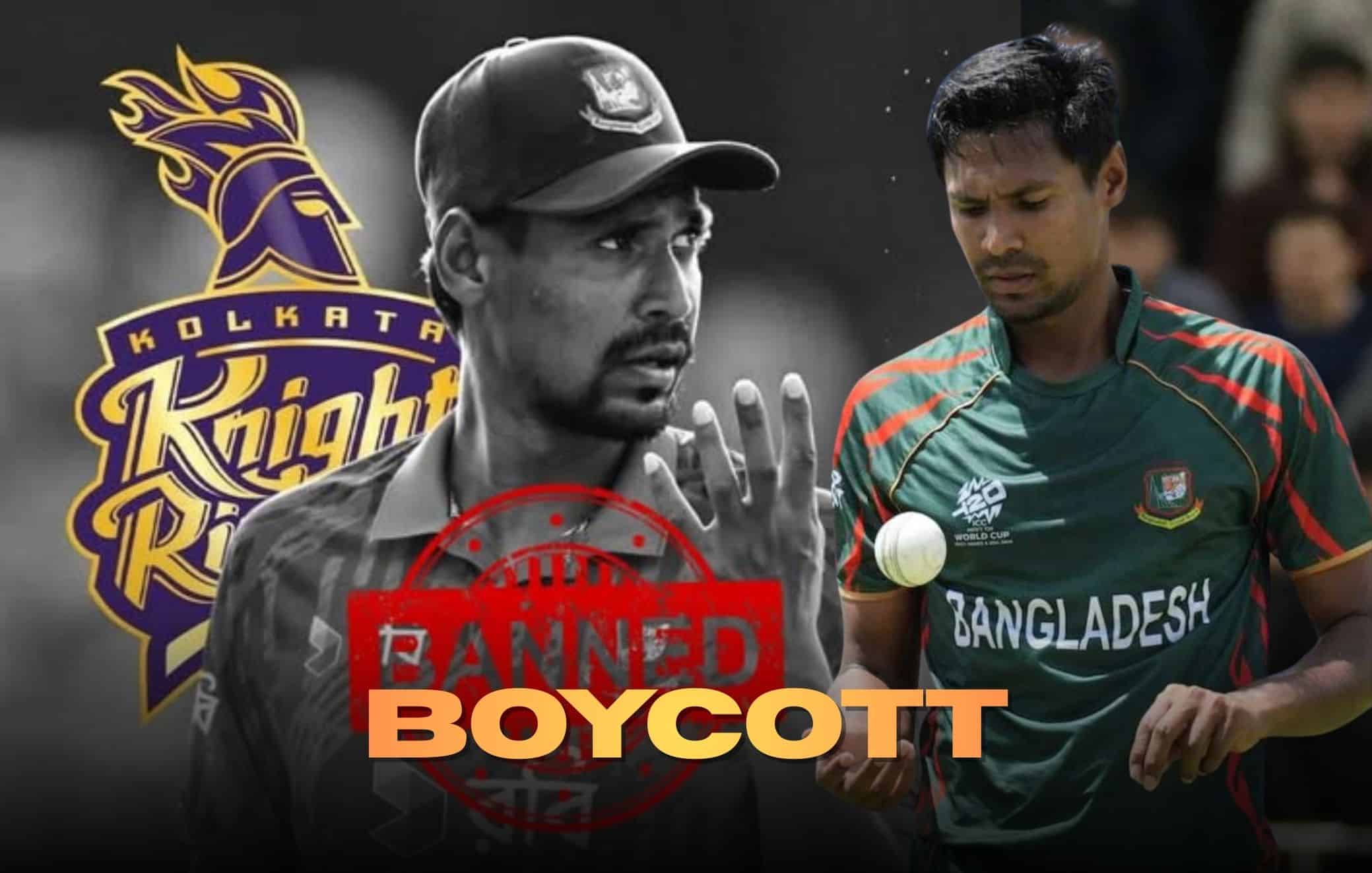
The Bangladesh boycott was triggered when IPL franchise Kolkata Knight Riders released Mustafizur Rahman despite an active contract. While the BCCI decision did not officially cite political reasons, officials acknowledged that “current developments” influenced the move. This action alarmed the BCB, which immediately called emergency meetings to evaluate whether India could guarantee safety for Bangladeshi players during the T20 World Cup 2026.
BCB officials expressed that if an international cricketer like Mustafizur Rahman could be sidelined abruptly, it raised broader concerns about team security. The boycott, therefore, became a protective step rather than a sporting protest, according to board insiders.
Security fears dominate the Bangladesh boycott narrative
Mustafizur Rahman’s release deepens uncertainty
The Mustafizur Rahman episode sits at the heart of the boycott. The left-arm pacer was bought for a high price at the IPL auction, making his sudden release even more shocking. BCB directors argued that the incident showed a lack of institutional protection for Bangladeshi cricketers in India, intensifying calls for ICC intervention.
Senior board member Khaled Mashud Pilot openly questioned how India could ensure the safety of an entire touring party if it could not protect one contracted player. His comments reinforced the boycott stance and signaled that the decision was unanimous within the board.
Government advice strengthens
The boycott also carries official backing from the government. Sports ministry adviser Asif Nazrul publicly welcomed the decision, linking it to what he described as discriminatory policies affecting Bangladeshi interests. His statement underlined that the boycott was not limited to cricket administration but aligned with broader national sentiment.
By endorsing the move, the government added weight to the BCB’s request for ICC intervention, making it harder for the issue to be resolved quietly.
ICC intervention becomes unavoidable
Request to move matches to Sri Lanka
With the Bangladesh boycott now official, the BCB formally requested ICC intervention to relocate all of Bangladesh’s league matches to Sri Lanka, the co-host of the T20 World Cup 2026. Bangladesh are scheduled to play four matches in India, including three in Kolkata and one in Mumbai, venues now deemed unsafe by the board.
The ICC intervention will be crucial, as any venue change affects broadcasting schedules, ticket sales, and team preparations. Bangladesh officials believe shifting matches to Sri Lanka mirrors arrangements previously made for other teams facing similar concerns.
Tournament integrity under pressure
The Bangladesh boycott has also raised concerns about the competitive balance of the T20 World Cup 2026. Relocating matches mid-cycle could disrupt tournament planning, but ignoring security concerns could undermine player welfare. This places the ICC intervention at the center of a complex diplomatic and sporting dilemma.
Diplomatic tensions fuel
Political backdrop influences cricket relations
The boycott cannot be separated from recent political developments. Relations between India and Bangladesh deteriorated following leadership changes in Dhaka, leading to protests, unrest, and allegations of targeted violence. These events have inevitably spilled into cricketing ties, complicating the BCCI decision-making process.
BCB sources revealed that there was earlier optimism after high-level diplomatic gestures, but the Mustafizur Rahman incident reversed that mood. This sudden shift reinforced the boycott stance as a precautionary move.
Broadcast suspension adds pressure
What Bangladesh boycott mean for the 20 World Cup 2026
ICC faces a defining decision
The boycott places the ICC at a crossroads. Approving venue changes may ease immediate tensions but could set a precedent for future tournaments. Rejecting the request risks Bangladesh withdrawing entirely, which would be a significant blow to the T20 World Cup 2026.
Long-term impact on cricket diplomacy
Beyond the current tournament, the boycott could reshape how cricket boards handle geopolitical tensions. The Mustafizur Rahman case has already become a reference point in debates about player contracts, board authority, and cross-border cooperation.
Ultimately, the Bangladesh boycott highlights how modern cricket extends beyond the boundary rope. As the ICC intervention looms, the outcome will not only determine Bangladesh’s participation but also define how global cricket navigates politics, security, and fairness in the years ahead.
🔗 Visit our other platforms:
8jjSports.com