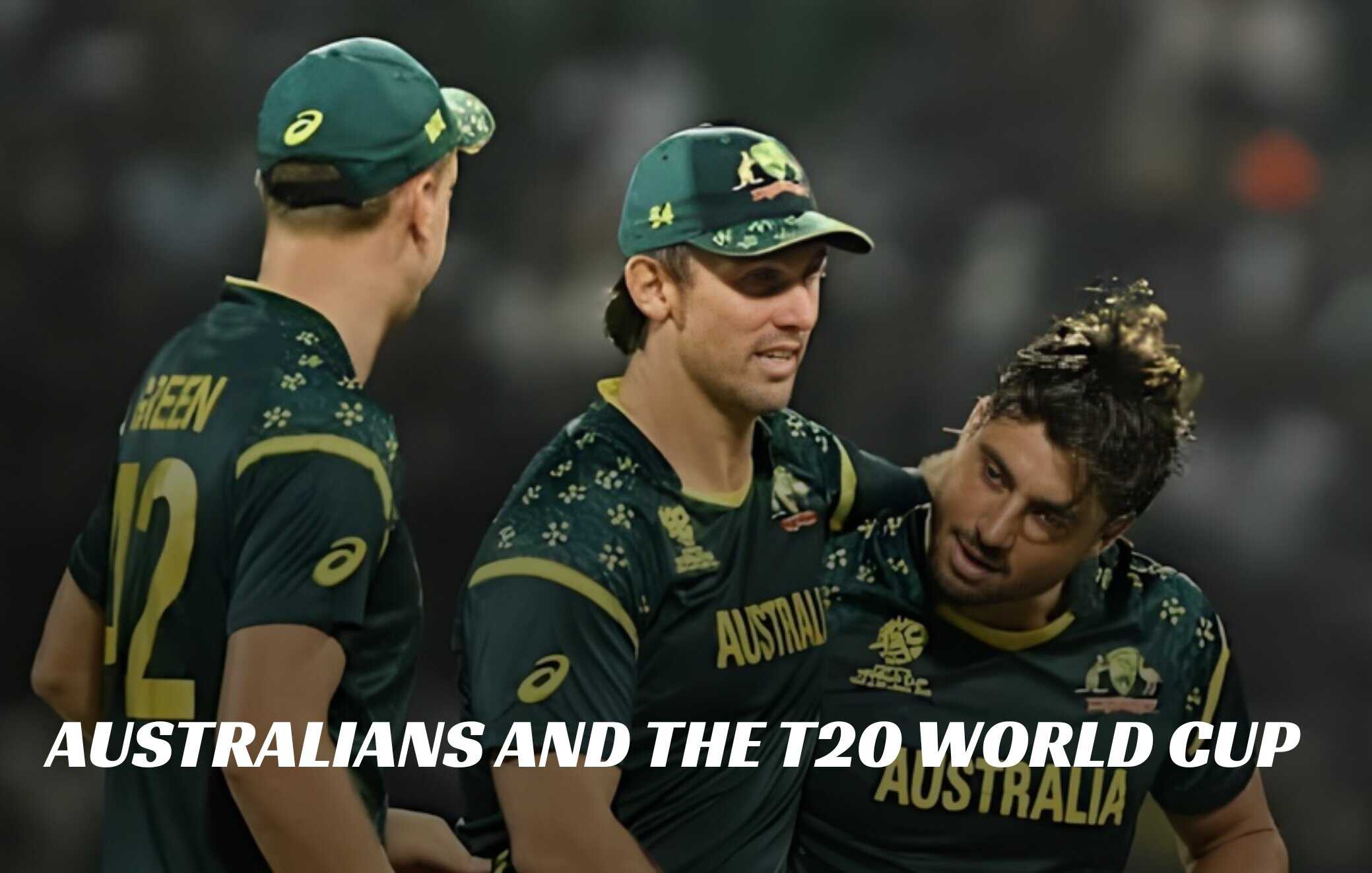
Australians and the T20 World Cup have become a topic of heated debate after the men’s team’s surprising early exit. The discussion over whether Australia truly cares about T20 cricket has gained traction in the media and among fans, questioning the nation’s approach to the fast-paced format. Australia’s T20 World Cup Performance
Following defeats to Zimbabwe and Sri Lanka after an expected win over Ireland, the Australian team was eliminated from the Super Eight stage. This series of results sparked debates around Australian cricket culture and the team’s priorities. Critics argue that the nation places less importance on T20 cricket, focusing instead on traditional formats like the Ashes.
Adam Zampa, a member of the Australian squad, refuted claims of indifference, stating that the coaching staff dedicates significant preparation time to T20 cricket, possibly even more than for Test matches. Zampa highlighted that the tighter competition in T20 cricket demands detailed planning, and the players take their roles seriously.
Public Perception and Media Debate
The Australian public’s perceived lack of engagement in T20 cricket has been attributed to several factors. One explanation is that many international matches occur outside Australian time zones, limiting live viewing opportunities. Additionally, the absence of free-to-air broadcasts for certain T20 matches has been suggested as a reason for reduced fan visibility.
Sports analysts have compared this to other cricket nations like India, England, and South Africa, where audiences remain engaged despite paywall restrictions. Another factor often cited is the overlap with other sporting seasons, such as the AFL, which commands significant attention during early February.
Critics argue that dismissing T20 cricket as less important could have long-term consequences. Malcolm Knox, writing for the Melbourne Age, emphasized that Australia’s insouciance towards T20 events might lead to isolation from global cricket trends, as the sport’s center of gravity increasingly shifts toward countries like India.
Historical Context of Australia’s T20 Interest
Despite current claims of indifference, Australia has a notable history in the T20 World Cup. The team reached the semifinals in 2007 and 2012, made the final in 2010, and won the tournament in 2021. This track record suggests that Australian fans have supported the format in the past, especially when their team performed well.
Analysts suggest that the recent dismissive attitude may not indicate a lack of care for T20 cricket itself but a discomfort with losing. A cultural tendency to undervalue competitions where the national team underperforms has been observed among some fans.
Implications for Global Cricket – T20 World Cup
Australia’s handling of the T20 World Cup provides insight into broader cricket dynamics. While other nations actively engage with global competitions, Australia’s focus appears inward, emphasizing legacy formats like Test cricket. This attitude could influence youth interest, sponsorships, and media coverage, potentially affecting Australia’s role in shaping international T20 cricket.
The Australian example also highlights how fan engagement can vary depending on success. Countries with strong cricket infrastructures, regardless of time zones or broadcast limitations, maintain consistent interest in T20 formats. This contrast suggests that performance and perception are critical in driving fan involvement.
Future Outlook – T20 World Cup
Going forward, Australia may need to reassess how it positions itself in global T20 cricket. A balance between honoring traditional cricket formats and embracing the growing prominence of T20 competitions is crucial. Players like Adam Zampa acknowledge the strategic importance of T20 preparation, but broader fan and media engagement remains a challenge.
Ultimately, Australians and the T20 World Cup conversation reflects both cultural priorities and performance outcomes. How the nation adapts to the evolving international cricket landscape will determine its influence and relevance in upcoming T20 tournaments. Understanding fan behavior, investing in visibility, and promoting the excitement of the format could ensure that Australia remains a competitive and engaged participant on the global stage.
🔗 Visit our other platforms:
8jjSports.com