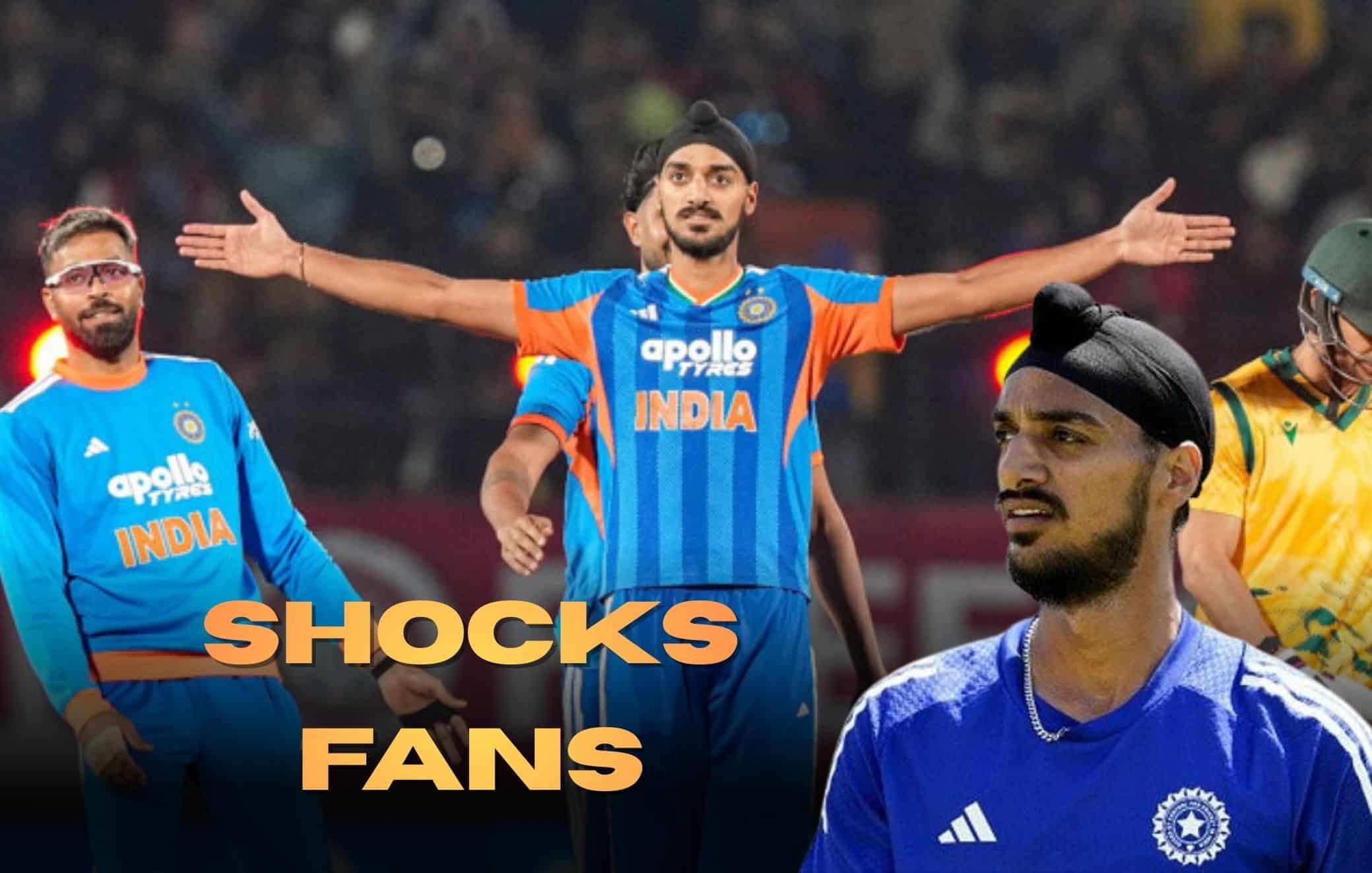
India Star Arshdeep Singh’s Omission Sparks Selection Debate
The exclusion of pacer Arshdeep Singh from the playing XI in India’s first two ODIs against New Zealand has sparked debate among cricket experts and fans. Former India batter Mohammad Kaif openly questioned the team management’s decision, especially given Arshdeep’s reputation as a consistent wicket-taker in crucial matches. India has opted for three specialist pacers – Mohammed Siraj, Harshit Rana, and Prasidh Krishna – for the matches at Vadodara and Rajkot, leaving many to wonder why Arshdeep was sidelined.
Selection Decisions Under Scrutiny
Speaking on his YouTube channel, Kaif criticized the decision to favor Prasidh Krishna over Arshdeep Singh, pointing out that Krishna, though experienced, can sometimes be expensive in terms of runs conceded. “You are leaving out Arshdeep, who is a wicket-taker, and looking to groom Prasidh Krishna. He always goes for runs except in a game or two. If someone says 280 runs were too few and that’s why India could not win, then I do not see this team winning the World Cup. Sometimes they will be 15-20 runs under par. If you want to win the World Cup, you will have to learn to win games with 270-280 runs as well,” Kaif stated.
This assessment has reignited discussions on India’s selection policies, raising questions about balancing experience, skill, and strategy when planning for major tournaments like the T20 World Cup 2026.
Importance of Arshdeep Singh in India’s Bowling Line-Up
Arshdeep Singh has proven himself as a frontline pacer in T20 and ODI formats, particularly in death overs where his accuracy and variations have troubled opposition batters. His ability to take wickets consistently makes him a strategic asset for the Indian team. By omitting him, analysts argue that India risks weakening its bowling attack, especially in matches where defending below-par totals is critical.
India’s choice to include Prasidh Krishna, who has a tendency to leak runs in some games, appears to prioritize long-term planning over immediate performance. While Krishna’s talent is undeniable, experts emphasize that experience in handling pressure situations can often outweigh raw pace, especially in international matches.
Mohammad Kaif’s Insights on Team Strategy
Kaif also criticized the debate surrounding the dew factor in Indian stadiums, stating that teams should focus on execution rather than external conditions. “There will always be dew. I feel there should be less focus on these things and more focus on the method to win. Look at how you can bowl even in the dew. You will have to learn to do this,” he added.
This perspective underscores the importance of adaptability and mental toughness in modern cricket. Teams that rely heavily on environmental factors often risk losing focus on fundamental skills, including bowling discipline, fielding, and situational awareness.
Historical Performance Context
India has a strong record at key venues like the Holkar Stadium in Indore, where they have won all five previous matches against various top international teams, including England, West Indies, South Africa, and Australia. These historical successes highlight the importance of tactical decisions in selecting the strongest possible XI.
Omitting a proven performer like Arshdeep Singh raises questions about whether India is prioritizing experimentation over consistency, a factor that could impact upcoming crucial series and preparation for the T20 World Cup 2026.
Team Management’s Possible Considerations
The Indian team management may have several reasons for Arshdeep Singh’s omission. These include workload management, giving exposure to emerging players like Harshit Rana, and preparing for varied conditions ahead of the World Cup. Additionally, nurturing multiple pacers ensures backup options in case of injuries or sudden form slumps.
Despite these strategic considerations, experts argue that leaving out a key wicket-taker for multiple matches can affect team confidence and morale. Ensuring balance between nurturing new talent and maintaining a strong core is critical for India’s success on the international stage.
Fan Reactions and Public Debate
Fans have expressed mixed reactions on social media, with many expressing surprise at Arshdeep Singh’s absence. Some argue that Krishna’s inclusion is justified to test bench strength, while others insist that Arshdeep’s consistent performances make him indispensable. The debate highlights the passion of cricket followers in India and the high expectations placed on team management decisions.
Analysts note that public scrutiny often influences team decisions, and the Indian cricket board must carefully weigh player development against immediate performance requirements. Maintaining transparency in selection processes could also reduce confusion and criticism from fans and media alike.
Implications for T20 World Cup 2026
With the T20 World Cup 2026 approaching, every match in bilateral series like this one carries importance for player form, team chemistry, and confidence-building. Excluding a key bowler like Arshdeep Singh may send a message to other players regarding selection uncertainties, potentially affecting performance.
Experts recommend that management consider rotation policies that allow players like Arshdeep to gain match practice while also giving opportunities to emerging talents. Such strategies balance team strength and long-term preparation without compromising competitiveness.
Analysis of India’s Bowling Strength
India’s bowling line-up currently includes experienced pacers like Mohammed Siraj and Prasidh Krishna, alongside emerging talent Harshit Rana. The exclusion of Arshdeep Singh may place additional responsibility on these players to deliver wickets and contain runs, especially in crucial phases of the game such as powerplays and death overs.
Including Arshdeep Singh would provide more balance and depth, particularly against strong batting sides like New Zealand, who are known for exploiting weaker bowling overs. Analysts predict that India may need to adjust strategies mid-series if wickets do not fall as planned.
Conclusion: Selection Decisions Under the Spotlight
The omission of Arshdeep Singh has sparked widespread debate about India’s selection policies, balancing experienced performers with emerging talent, and preparing for future tournaments. While Prasidh Krishna and other pacers offer promise, Arshdeep’s absence raises questions about strategic choices ahead of high-stakes matches.
Mohammad Kaif’s criticism reflects broader concerns about ensuring that India maintains its competitive edge while nurturing upcoming players. Clear communication, tactical foresight, and player management will be key to navigating such selection controversies.
Fans and cricket analysts will closely monitor India’s approach in the remaining matches against New Zealand to evaluate whether these selection choices strengthen the team for the T20 World Cup 2026 or highlight potential gaps in strategy and performance.
🔗 Visit our other platforms:
8jjSports.com