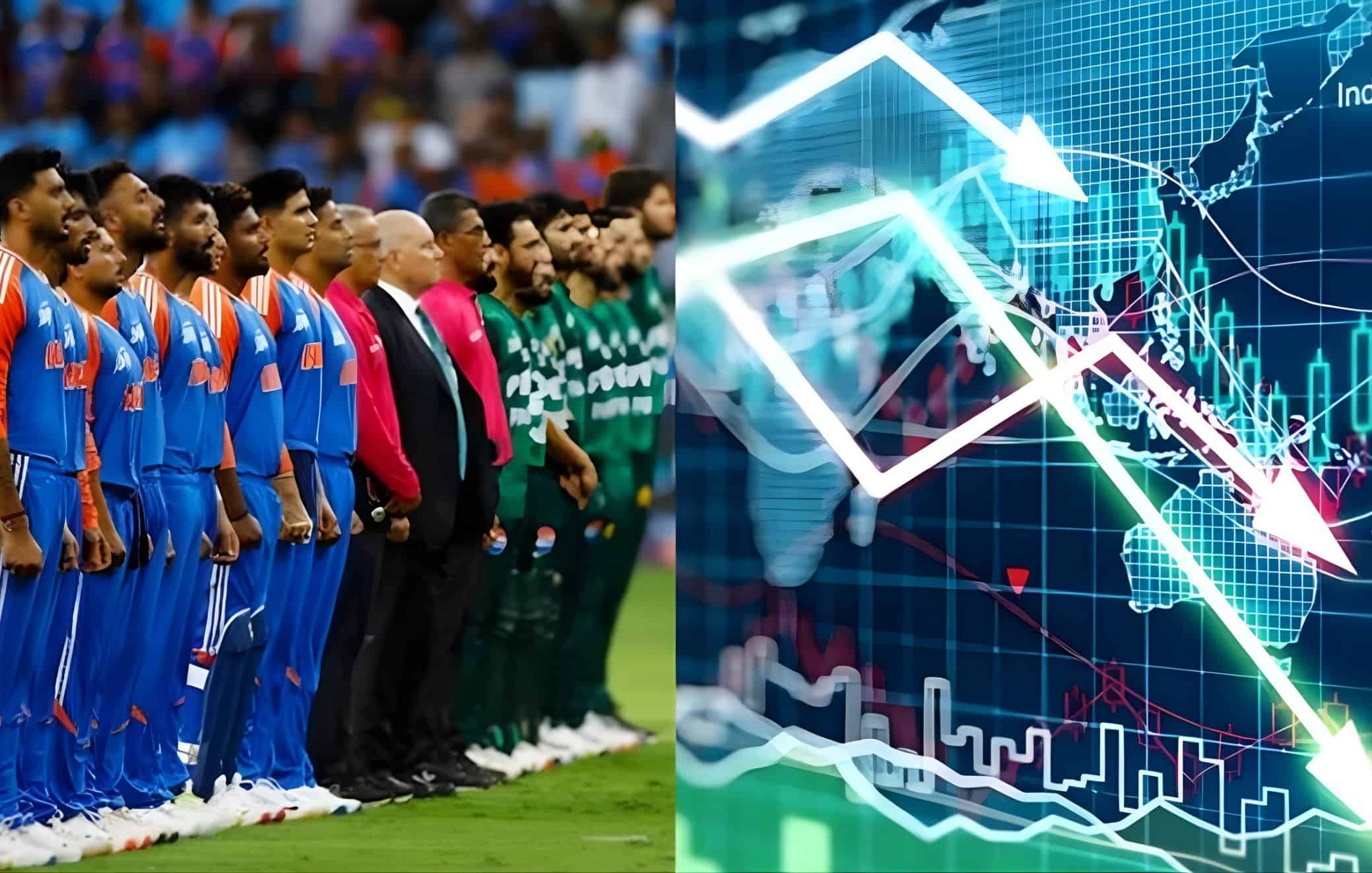
T20 WorldCup tensions between India and Pakistan have escalated sharply after fresh reports suggested that the International Cricket Council has initiated discreet negotiations to resolve the growing dispute ahead of the 2026 tournament. The situation, centered on Pakistan’s refusal to play India, has placed the ICC, broadcasters, and cricket boards under intense pressure as the countdown to the global event continues.
T20 WorldCup Crisis Sparks ICC Back-Channel Talks
The T20 WorldCup controversy gained momentum after it emerged that the ICC has tasked its deputy chairman, Imran Khwaja, with holding back-channel talks with the Pakistan Cricket Board. These discussions are aimed at persuading Pakistan to honor its scheduled group-stage fixture against India on February 15, a match considered vital for the tournament’s commercial and sporting success.
The ICC PCB talks are being viewed as a strategic attempt to de-escalate the situation without triggering a public confrontation. While Pakistan has confirmed participation in the T20 WorldCup, its declaration to boycott the India Pakistan match has alarmed stakeholders across the cricketing world.
India Pakistan Match at the Center of the Dispute
At the heart of the T20 WorldCup dispute lies the India Pakistan match, traditionally one of the most watched fixtures in international cricket. Pakistan’s decision to withdraw from this encounter, scheduled to be played at a neutral venue, has raised concerns over fairness, governance, and contractual obligations.
Despite widespread speculation, the ICC has reportedly not received any formal communication from the PCB outlining the official reasons behind the boycott. This absence of clarity has complicated the ICC PCB talks, making Khwaja’s role as an intermediary even more critical.
Neutral Venue Argument and T20 WorldCup Context
One of the key arguments weakening Pakistan’s stance in the T20 WorldCup debate is the choice of venue. Pakistan is set to play its matches at a neutral location, a concession already granted by the ICC. This has led to questions about why the India Pakistan match cannot proceed under the same arrangement, especially when similar fixtures have taken place at neutral venues in recent ICC events.
ICC Warns of Financial Fallout for PCB
The T20 WorldCup row has also taken a serious financial turn. According to sources, the ICC has warned the Pakistan Cricket Board of potential legal action from official broadcasters if the India Pakistan match does not go ahead. Broadcasters consider the fixture a cornerstone of the tournament’s commercial value.
The risk extends beyond legal disputes. Reports suggest that the ICC may withhold Pakistan’s annual revenue share, estimated at approximately USD 35 million, to compensate broadcasters for potential losses. This development has intensified the urgency of the ICC PCB talks.
Broadcaster Contracts and T20 WorldCup Obligations
Broadcast agreements linked to the T20 WorldCup include guarantees around marquee matches. The India Pakistan match is often a central selling point in these contracts. Any disruption could expose the PCB to lawsuits, making the financial implications of the boycott far-reaching and severe.
Pakistan Government Directive Complicates Matters
The PCB has indicated that its stance on the T20 WorldCup fixture stems from directives issued by the Pakistan government. While the board reportedly sought legal advice before briefing senior political leadership, internal sources acknowledge that government backing may not shield the PCB from international consequences.
This situation places the ICC in a delicate position. While respecting national policies, the governing body must also ensure that T20 WorldCup regulations and commitments are upheld uniformly across member nations.
Limits of ICC Dispute Resolution Committee
The PCB has explored the possibility of approaching the ICC Dispute Resolution Committee. However, experts familiar with ICC governance structures believe this avenue offers limited relief. The committee does not hear appeals against decisions made by the ICC board itself, reducing the likelihood of a favorable outcome for Pakistan in the T20 WorldCup impasse.
Comparisons With India’s Neutral Venue Policy
Another layer to the T20 WorldCup debate involves comparisons with India’s own policies. While the Indian government has not permitted its team to tour Pakistan, India has consistently played against Pakistan at neutral venues in ICC tournaments and Asia Cup events.
This precedent weakens Pakistan’s argument, particularly when the India Pakistan match is scheduled outside India. ICC officials are believed to be factoring this history into ongoing ICC PCB talks.
Role of Imran Khwaja in ICC PCB Talks
Imran Khwaja’s involvement in the T20 WorldCup negotiations is seen as a calculated move by the ICC. Representing the Singapore Cricket Association, Khwaja is regarded as a neutral and experienced administrator capable of bridging communication gaps.
His mandate reportedly includes calming tensions, clarifying consequences, and finding a mutually acceptable solution that preserves the integrity of the T20 WorldCup while addressing Pakistan’s concerns.
Peacemaking Efforts Behind Closed Doors
Sources suggest that Khwaja’s discussions are designed to remain confidential, allowing both sides flexibility without public pressure. This back-channel approach reflects the ICC’s preference for quiet diplomacy over formal disciplinary action in resolving the India Pakistan match dispute.
What This Means for T20 WorldCup 2026
The ongoing standoff has broader implications for the T20 WorldCup 2026. A failure to resolve the issue could disrupt scheduling, strain ICC-member relations, and set a precedent for future political interventions in international cricket.
For fans, the uncertainty surrounding the India Pakistan match casts a shadow over one of the sport’s most anticipated rivalries. For administrators, it represents a test of governance, contractual discipline, and crisis management.
Possible Outcomes and the Road Ahead
Several scenarios remain on the table as ICC PCB talks continue. Pakistan may eventually agree to play, avoiding penalties and legal action. Alternatively, refusal could trigger financial sanctions and long-term reputational damage within the ICC framework.
Regardless of the outcome, the T20 WorldCup dispute underscores the complex intersection of sport, politics, and commerce in modern cricket. How the ICC navigates this challenge may shape its authority and credibility well beyond the 2026 tournament.
Final Word on the T20 WorldCup Standoff
As negotiations quietly progress, all eyes remain on whether compromise will prevail. The resolution of the India Pakistan match issue will not only define the immediate future of the T20 WorldCup but also influence how similar conflicts are managed in global cricket moving forward.
🔗 Visit our other platforms:
8jjSports.com