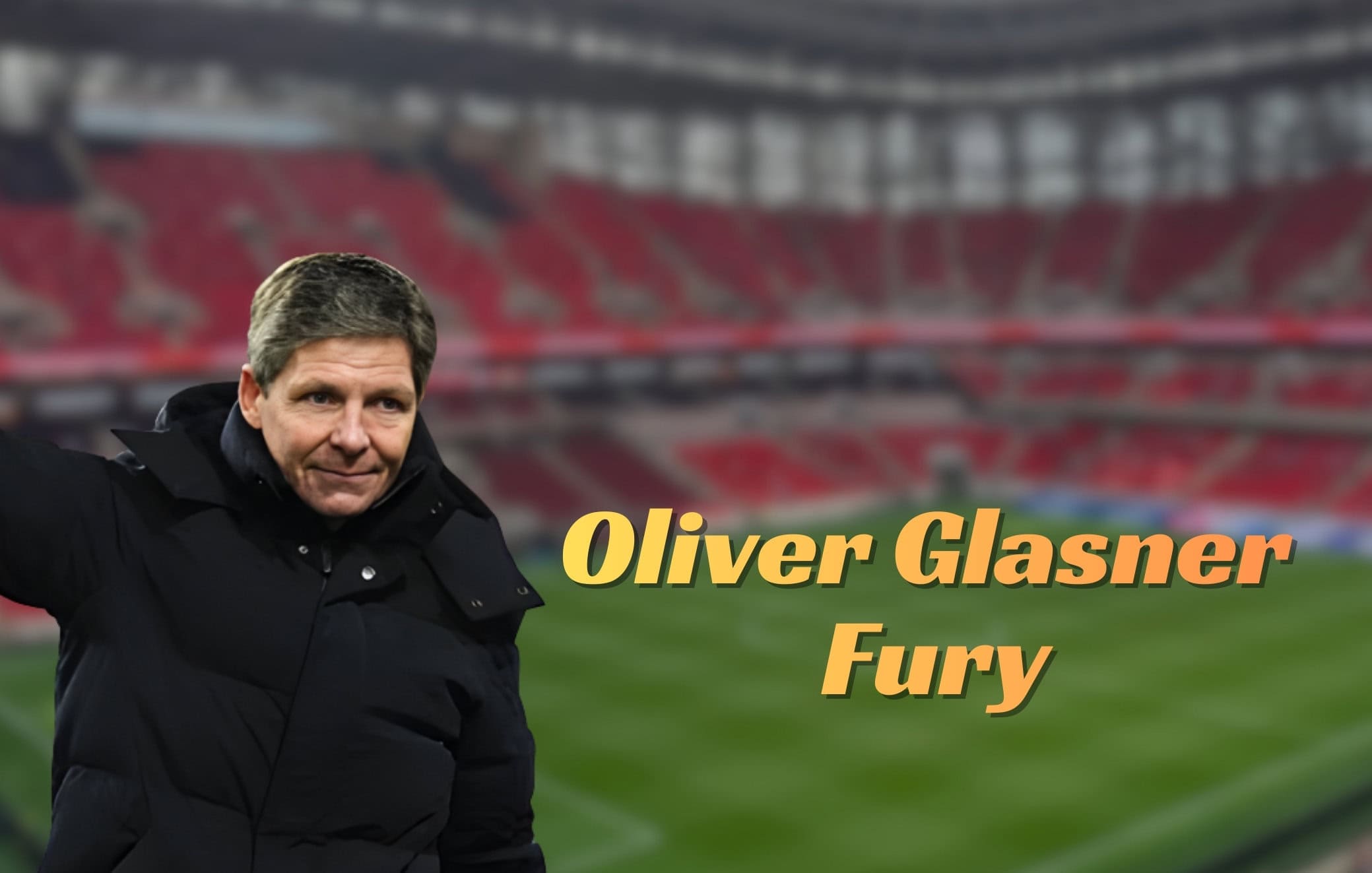
Oliver Glasner has delivered one of the most explosive assessments of his tenure at Crystal Palace, claiming his players are being “abandoned completely” by the club’s hierarchy amid a deepening Premier League crisis. The Austrian manager’s comments came after Palace’s winless run stretched to 10 matches following a damaging 2-1 defeat at Sunderland, intensifying scrutiny on the club’s leadership, recruitment strategy, and long-term vision.
Oliver Glasner Sounds Alarm at Crystal Palace
Oliver Glasner’s frustration has been building for weeks, but his post-match remarks laid bare the growing disconnect between the manager and the Crystal Palace board. With results continuing to slide and squad depth stretched to breaking point, Glasner defended his players and shifted responsibility upward, suggesting that decisions off the pitch are undermining performances on it.
The Crystal Palace boss, who confirmed he will leave at the end of the season when his contract expires, spoke with unusual candor about what he described as a lack of support from the club’s hierarchy during a critical phase of the Premier League campaign.
Sunderland Defeat Deepens Premier League Woes
Winless Run Reaches 10 Games
The 2-1 loss at Sunderland proved another painful chapter for Oliver Glasner and Crystal Palace. Despite moments of competitiveness, the defeat extended Palace’s winless streak to 10 matches across competitions, leaving the squad low on confidence and physically drained.
In a season already crowded with fixtures, the Sunderland defeat highlighted familiar issues—fatigue, defensive lapses, and limited options off the bench. For Glasner, these problems are not isolated incidents but symptoms of deeper structural issues at the club.
Exhausted Squad Under Pressure
Crystal Palace have already played 34 matches this season across four competitions, a workload that has taken a visible toll. Oliver Glasner pointed out that his side has looked exhausted in recent weeks, struggling to maintain intensity late in games.
With only 12 or 13 senior players consistently available, the lack of rotation has become a recurring concern. In the demanding environment of the Premier League, such limitations often prove costly, as Palace’s recent results have shown.
Transfer Decisions Spark Oliver Glasner’s Anger
Marc Guehi Sale Raises Eyebrows
One of Oliver Glasner’s strongest criticisms centered on the timing of key departures. Palace captain Marc Guehi is set to join Manchester City, and the decision to sanction his exit just before a Premier League fixture left Glasner openly bewildered.
“The worst thing is selling our captain one day before playing a Premier League game,” Oliver Glasner said, questioning how such a move could align with competitive preparation. For a manager trying to stabilize a struggling team, losing a defensive leader at a crucial moment only compounds existing problems.
Eze and Mateta Uncertainty Adds to Crisis
Crystal Palace had already sold Eberechi Eze to Arsenal in August, a move that removed one of the team’s most creative outlets. Now, reports suggest star striker Jean-Philippe Mateta could depart for Juventus before the January transfer window closes.
For Oliver Glasner, these potential exits represent a pattern rather than isolated decisions. As the squad continues to thin, the manager’s ability to compete in the Premier League becomes increasingly compromised.
Oliver Glasner Defends His Players
Blame Shifted Away From Dressing Room
Despite the poor run of results, Oliver Glasner was emphatic that his players deserve support, not criticism. He insisted they have given everything on the pitch, even as circumstances off it have worked against them.
“I can’t blame any player,” Glasner stated, reinforcing his belief that effort and commitment remain intact. In his view, the lack of reinforcements and the timing of player sales have placed an unfair burden on an already stretched squad.
Training Disruptions Highlight Instability
Oliver Glasner also pointed to the disruption caused by the club’s schedule and transfer activity. He revealed that the team had just completed its first full week of training since September, underlining how congested fixtures and off-field decisions have affected preparation.
Such instability, particularly during a demanding Premier League season, often manifests in inconsistent performances—something Crystal Palace fans have witnessed repeatedly.
From FA Cup Glory to Sudden Decline
Historic Success Under Oliver Glasner
Only last season, Oliver Glasner guided Crystal Palace to their first major trophy by winning the FA Cup, a landmark achievement that elevated expectations around the club. That triumph suggested Palace were building toward sustained competitiveness at the top level.
However, the momentum from that success has dissipated rapidly. Instead of strengthening from a position of confidence, Palace now find themselves battling fatigue, form issues, and uncertainty about the future.
Embarrassing FA Cup Exit Compounds Pressure
The decline was further emphasized by Crystal Palace’s shock FA Cup exit to sixth-tier Macclesfield last weekend. For a club that lifted the trophy just a season earlier, the defeat was a sobering reminder of how quickly fortunes can change.
For Oliver Glasner, the result underscored his concerns about squad depth and focus, particularly when competing across multiple fronts without adequate reinforcement.
Crystal Palace Board Under Scrutiny
Leadership Decisions Questioned
Oliver Glasner’s remarks have inevitably shifted attention to the Crystal Palace board. Fans and pundits alike are questioning whether the club’s leadership has matched its ambitions with appropriate investment and planning.
Selling key players during a difficult Premier League run sends mixed signals, especially when replacements are not secured. Glasner’s claim of feeling “abandoned completely” reflects a breakdown in trust that is difficult to repair.
Impact on Long-Term Strategy
The situation raises broader questions about Crystal Palace’s long-term strategy. Are short-term financial gains being prioritized over stability and competitiveness? Oliver Glasner’s comments suggest a belief that the balance has tilted too far away from footballing needs.
In a league as unforgiving as the Premier League, such miscalculations can have lasting consequences.
What Next for Oliver Glasner?
Exit Confirmed, Future Beckons
Oliver Glasner has already confirmed that he will leave Crystal Palace at the end of the season, adding another layer of complexity to the current situation. Despite the turmoil, his reputation remains strong following past successes.
The 51-year-old has been linked with high-profile roles at Manchester United and Tottenham, clubs that could offer the resources and backing he feels have been lacking at Palace.
Final Months Under Intense Spotlight
As the season progresses, every result will be viewed through the lens of Oliver Glasner’s impending departure. How Crystal Palace respond—both on the pitch and in the transfer window—will shape the narrative around his final months in charge.
Conclusion: Oliver Glasner’s Stark Warning
Oliver Glasner’s comments represent more than post-match frustration; they are a stark warning about the consequences of neglecting squad support in a demanding Premier League environment. From ill-timed transfers to an overworked squad, the issues he highlighted point to systemic problems rather than individual failings.
As Crystal Palace navigate the remainder of the season, the challenge will be to restore unity and competitiveness amid uncertainty. For Oliver Glasner, the episode reinforces his belief that success in modern football requires alignment from boardroom to dressing room—something he feels has been missing when it mattered most.
🔗 Visit our other platforms:
8jjSports.com