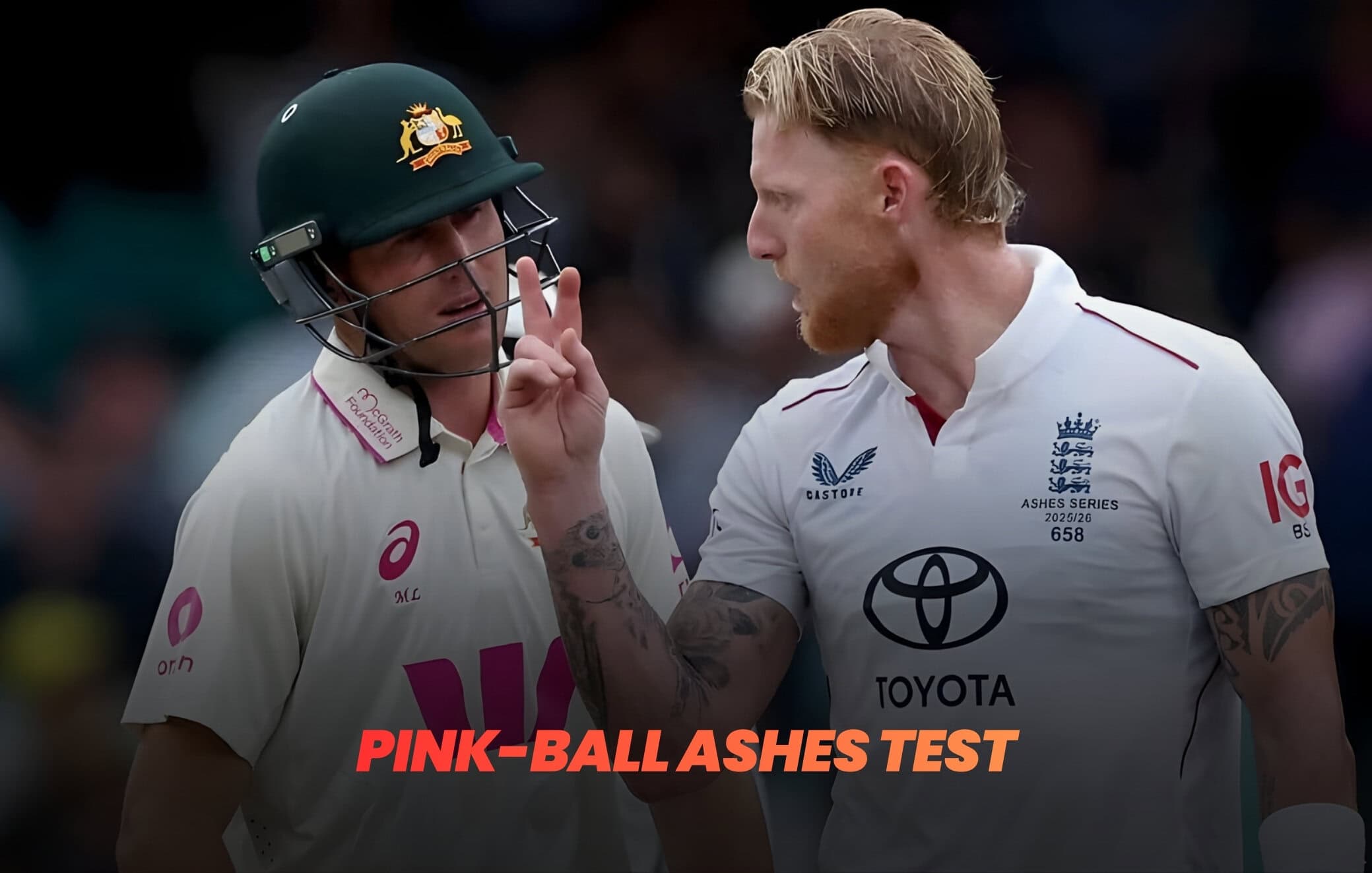
England captain Ben Stokes has offered a candid reflection following a one-sided Ashes series defeat to Australia, emphasizing both accountability and a commitment to long-term leadership. Despite the margin of loss, Stokes’ assessment highlighted lessons learned, areas for improvement, and his resolve to guide England through the remainder of the series and beyond.
Ben Stokes Ashes Reality Check
Stokes acknowledged that England struggled to sustain execution under pressure across all departments, from batting and bowling to fielding. In his post-match reflections, he admitted that lapses in concentration and inconsistency at crucial moments contributed significantly to the series deficit.
The reality check, according to Stokes, is that while England has talent and depth, the team was unable to consistently translate that potential into results against a disciplined and in-form Australian side. He stressed that recognizing shortcomings is an essential step toward rebuilding confidence and capability.
Bowling Inconsistency Cost England
A key takeaway from Stokes’ analysis of the Ashes was England’s inconsistency with the ball. Spells that lacked control or precision were punished by Australian conditions, with batsmen able to capitalize on loose deliveries.
Stokes noted that the team’s inability to maintain pressure in key sessions allowed Australia to build partnerships and dominate match momentum. He highlighted that bowling discipline and adaptability to varied pitches remain areas requiring urgent attention. For England, this insight will be central to reshaping plans and improving competitiveness in both domestic and international contexts.
Captaincy Commitment Remains Firm
Despite the defeat, Stokes reaffirmed his commitment to captaincy and long-term leadership responsibility. He emphasized that leadership involves guiding the team through adversity as much as celebrating success.
Stokes’ stance reflects an understanding that building a resilient and consistent team is a multi-year process. He stressed that accepting accountability for team performance, while fostering development and tactical growth, is central to his approach as England’s captain. His reflections signal a readiness to confront challenges head-on and to maintain stability within the squad.
Tactical Adjustments Under Scrutiny
England’s tempered attacking approach also came under scrutiny. Stokes acknowledged that while the team sought to manage risk and adapt to Australian conditions, the cautious approach sometimes limited opportunities to seize the initiative.
He indicated that balancing aggression and control will be a focus for the coaching staff and senior players. By analyzing tactical decisions in depth, Stokes aims to ensure that England can implement a more flexible, assertive, and adaptive strategy in future matches—one capable of countering the strengths of top-tier opposition.
What Comes Next for England
Despite the one-sided nature of the series to date, Stokes insists the remaining Ashes fixtures still hold significant value. He stressed that lessons learned from failures can be converted into growth, resilience, and experience for younger and senior players alike.
The captain highlighted that continued commitment, experimentation with combinations, and tactical refinements can help the team recover confidence and reinforce the foundations for future campaigns. Even in defeat, Stokes views the series as an opportunity to strengthen character, test leadership, and identify strategies that will serve England in the long term.
Conclusion
Ben Stokes’ reflection on England’s Ashes loss demonstrates a rare combination of accountability, resolve, and forward-looking leadership. By acknowledging lapses in execution, bowling inconsistency, and tactical misjudgments, Stokes provides a transparent assessment of where England fell short.
At the same time, his commitment to captaincy and the development of team resilience signals a proactive approach to overcoming adversity. While the series has been dominated by Australia, England’s focus on learning from mistakes, implementing tactical adjustments, and fostering long-term stability under Stokes’ leadership could be pivotal for future competitiveness.
Stokes’ reflections underscore the dual nature of leadership in elite sport: confronting current shortcomings honestly while maintaining the vision and determination to guide a team toward sustained success. As the Ashes continue, England’s ability to respond to these lessons will shape not only the remainder of the series but also the trajectory of the team under Stokes’ captaincy.
🔗 Visit our other platforms:
8jjSports.com