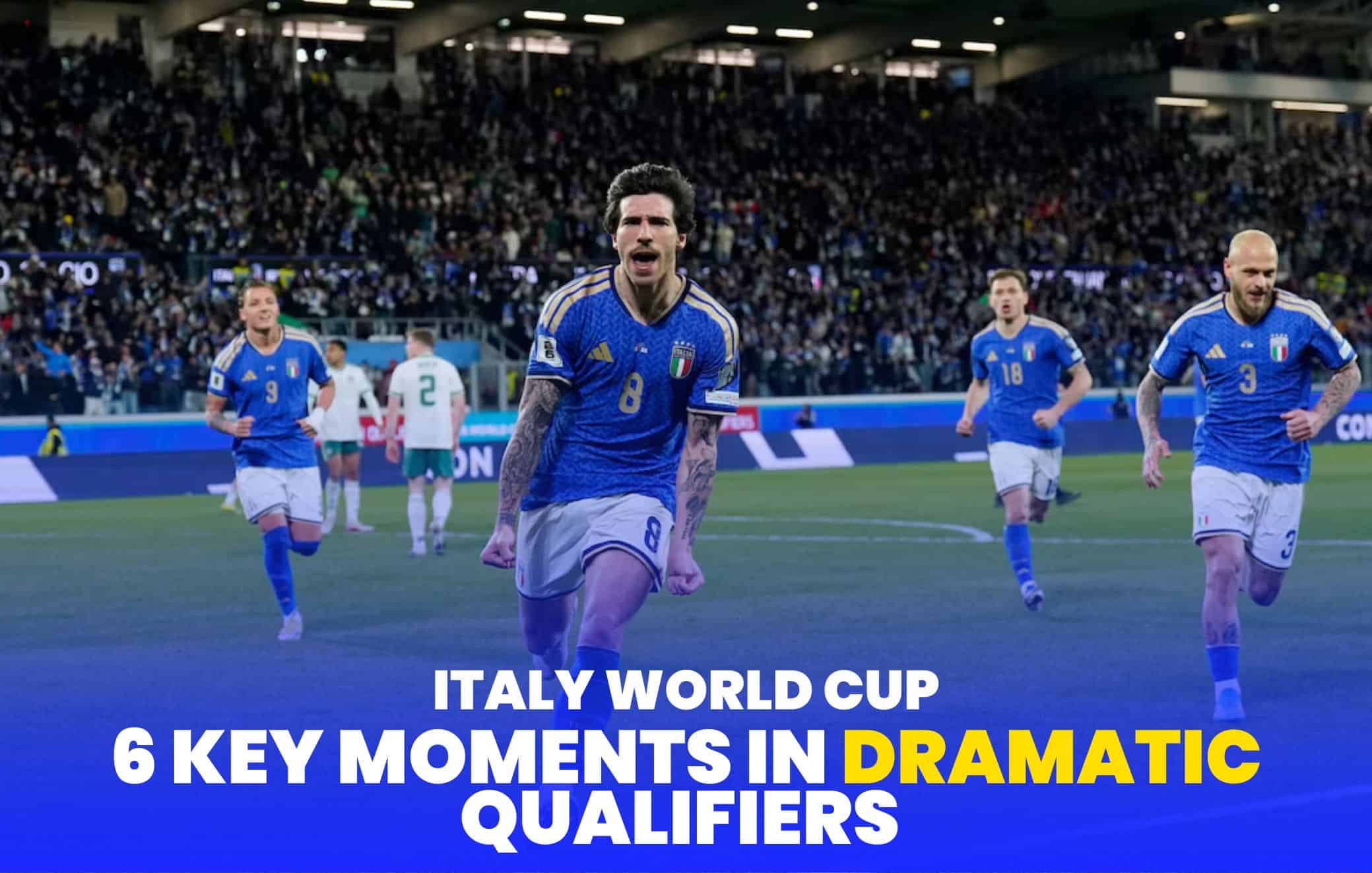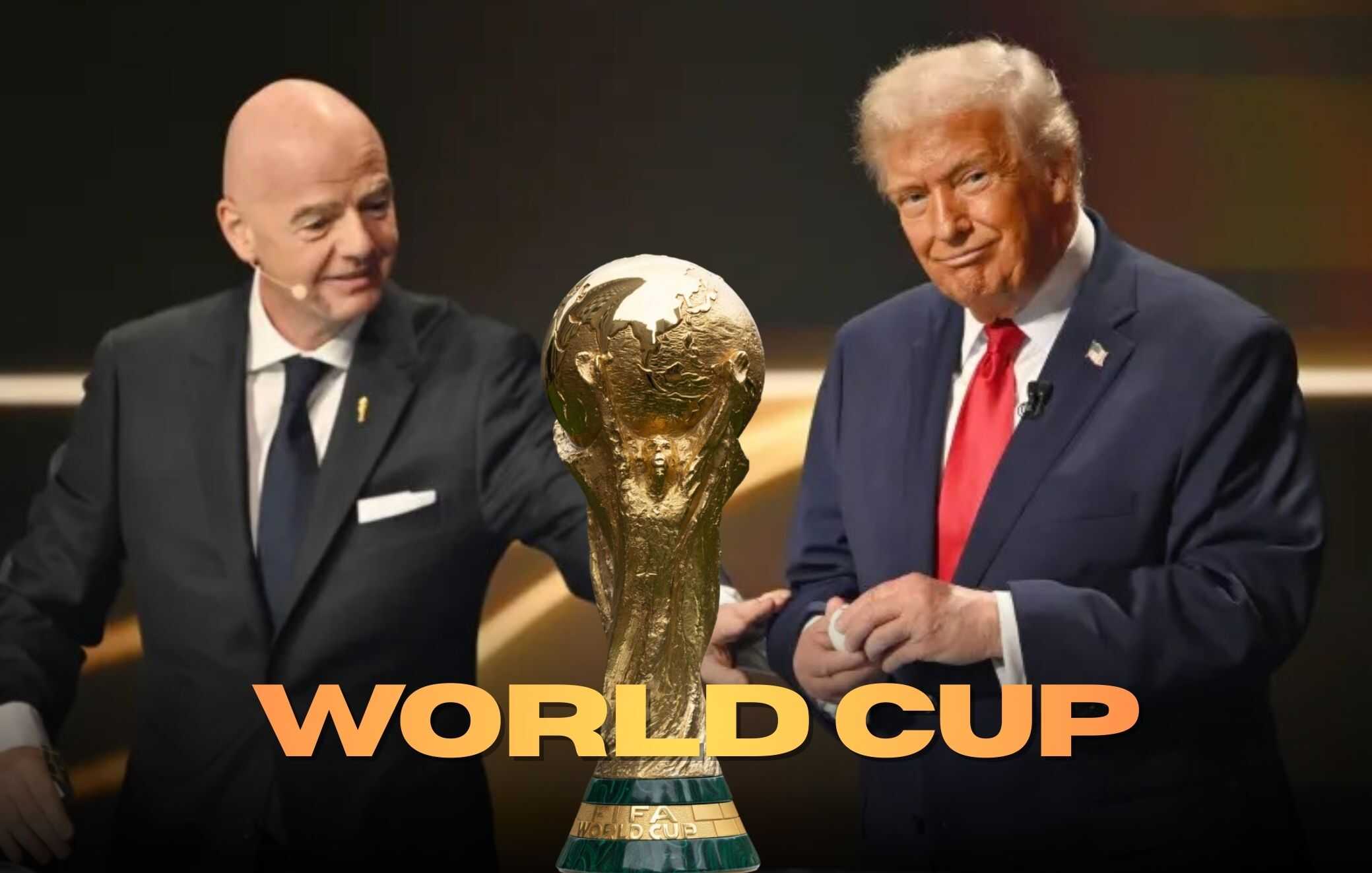
The 2026 World Cup will redefine financial rewards in international football, with champions set to receive a record-breaking $50 million from an expanded $655 million prize pool. FIFA confirmed the figures ahead of the tournament scheduled from June 11 to July 19, 2026, across the United States, Canada, and Mexico. This increase signals a new era in global football economics, reflecting the tournament’s growing commercial reach and competitive intensity.
FIFA Prize Money Structure for the 2026 World Cup
The 2026 World Cup prize pool represents a significant jump from previous editions. The total allocation marks a 48.9% increase from the $440 million distributed at the 2022 tournament in Qatar. FIFA has structured the payouts to ensure all participating nations benefit, while still rewarding teams that advance deeper into the competition. The expanded financial framework underscores FIFA’s aim to balance competitive incentive with global development support.
Participation Fees Guarantee Baseline Rewards
Every nation qualifying for the 2026 World Cup will receive $1.5 million in preparation funding and an additional $9 million for participating in the group stage. These figures mirror the 2022 model, ensuring consistency while accommodating a larger field of teams. With 48 federations involved, this baseline funding provides critical financial stability for national programs across all confederations.
Progressive Rewards Through Knockout Stages
As teams advance in the 2026 World Cup, prize money escalates significantly. Nations reaching the round of 32 will earn $11 million, while those advancing to the round of 16 receive $15 million. Quarterfinalists are guaranteed $19 million, reflecting the increased competitive difficulty at that stage. This progressive structure ensures that performance on the pitch translates directly into financial gain.
Podium Finishes Deliver Major Financial Gains
The latter stages of the 2026 World Cup offer the most lucrative rewards. Teams finishing fourth will collect $27 million, third place earns $29 million, and the runner-up receives $33 million. The champions’ $50 million prize sets a new benchmark for international tournaments. When combined with participation fees, FIFA will distribute a total of $727 million directly to the 48 national federations involved.
Comparison With Club Football Prize Money
While the 2026 World Cup prize money represents a record for international football, it still trails elite club competitions. The expanded Club World Cup distributed $1 billion in total, with Chelsea earning $125 million as champions. Similarly, Real Madrid collected $154 million for winning the Champions League in 2024. These comparisons highlight structural differences between club and international football, particularly regarding wage bills and commercial obligations.
How the 2026 World Cup Compares to Other Tournaments
In contrast to club tournaments, national team competitions prioritize federation funding over centralized player wages. The European Championship awarded approximately $33.5 million to its winners, placing it closer to the runner-up prize at the 2026 World Cup than the champion’s payout. Despite this gap, FIFA’s latest increase narrows the financial divide and strengthens the global standing of international football.
Player Bonuses Determined by Federations
FIFA distributes prize money to national federations, not directly to players. Each federation determines how funds are allocated internally. During the 2022 tournament, French players were reportedly set to receive $586,000 each for winning the trophy. Similar arrangements are expected at the 2026 World Cup, with federations tailoring bonus structures based on internal agreements and national policies.
U.S. Soccer Sets Equity Model Ahead of 2026
One notable development tied to the 2026 World Cup involves the U.S. Soccer Federation, which has agreed to pool prize money across men’s and women’s national teams. Under this model, 80% of prize funds are distributed directly to players, promoting equity and transparency. This approach could influence other federations as FIFA continues to emphasize fair distribution models.
Gender Equity Goals Beyond the 2026 World Cup
FIFA president Gianni Infantino has reiterated the organization’s commitment to equal prize money for men and women in future tournaments. While parity has not yet been achieved, the upcoming Women’s World Cup in Brazil in 2027 represents another step toward financial balance. The expanded prize pool at the 2026 World Cup strengthens FIFA’s position as it pushes for long-term equality across competitions.
Revenue Growth Fuels Expanded Prize Pool
The financial growth behind the 2026 World Cup prize money is driven by record-breaking revenue projections. FIFA expects to generate $13 billion across its current four-year cycle through 2026, up from $7.5 billion during the 2019–2022 period. Broadcasting rights, sponsorship deals, and the tournament’s expanded format all contribute to this surge, enabling higher payouts without compromising development funding.
Expanded Tournament Brings New Economic Scale
With 48 teams competing, the 2026 World Cup will be the largest in history. The expanded format increases match inventory, fan engagement, and commercial opportunities across three host nations. This scale justifies the larger prize pool while also placing greater logistical and competitive demands on teams navigating a longer tournament path.
Incentives Drive Competitive Intensity
The financial incentives attached to each stage of the 2026 World Cup heighten competitive stakes. For emerging football nations, advancing even one round can transform federation finances. For established powers, the champion’s payout reinforces the prestige and economic value of international success in an era dominated by club football wealth.
Conclusion: 2026 World Cup Sets New Financial Standard
The 2026 World Cup establishes a new benchmark for prize money in international football, with a $50 million reward for champions and a $655 million overall pool. These figures reflect football’s expanding global influence and FIFA’s intent to modernize tournament economics. Beyond the spectacle on the pitch, the tournament will leave a lasting financial legacy, reshaping how national teams, federations, and players value success at the world’s biggest sporting event.
🔗 Visit our other platforms:
8jjSports.com