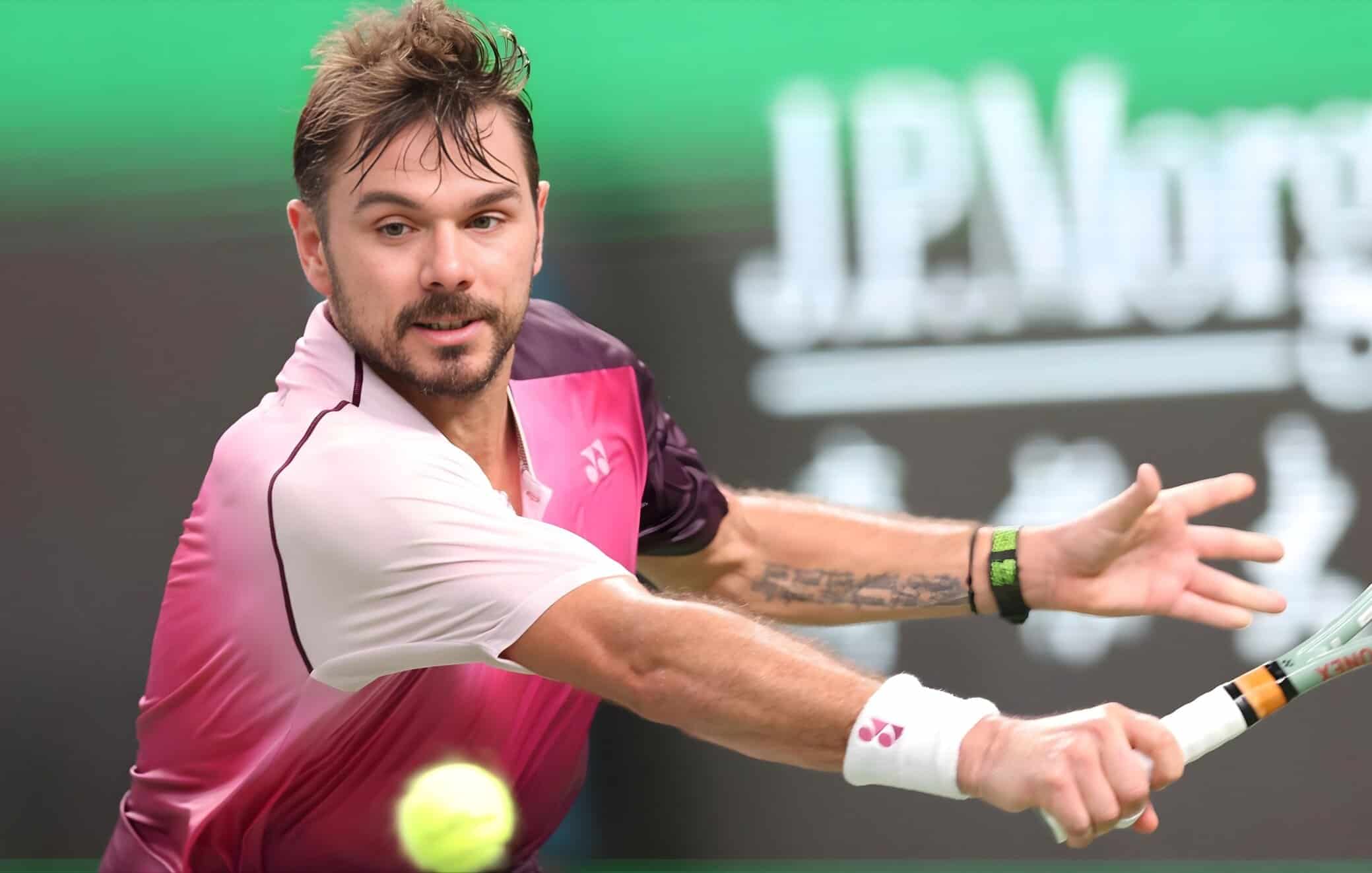
Wawrinka retirement plans were officially confirmed as the Swiss great announced that the 2026 season will be the final chapter of his professional career. After more than two decades on tour, the decision closes one of tennis’s most distinctive journeys, built on resilience, late blooming success, and unforgettable Grand Slam triumphs. The announcement reframes the upcoming season as a farewell tour defined by legacy rather than rankings.
Announcement Clarifies the Wawrinka Retirement Timeline
Retirement timeline became clear when he confirmed 2026 as his final competitive year, describing it as one last push before stepping away from professional tennis. Rather than an abrupt exit, the decision reflects a controlled and deliberate conclusion, allowing fans and tournaments to acknowledge his impact.
This clarity removes uncertainty around his future scheduling and sets emotional context for every appearance. Each match now carries symbolic weight as part of a closing chapter.
Grand Slam Success Anchors the Wawrinka Retirement Story
Retirement narrative is inseparable from his three Grand Slam titles, achieved against opponents widely considered among the greatest of all time. Victories over Rafael Nadal and Novak Djokovic during their peak years defined his reputation as a giant-slayer capable of dismantling dominance on the biggest stages.
These titles were not products of consistency alone, but of peak brilliance delivered under immense pressure. His ability to rise above eras dominated by legends cemented his place in tennis history.
Rare Feat Elevates Wawrinka Retirement Legacy
A defining element of the Wawrinka retirement legacy is his rare achievement of defeating Rafael Nadal, Novak Djokovic, Roger Federer, and Andy Murray at Grand Slam events. Only two other players have managed this feat, placing Wawrinka in an exclusive category of elite competitors.
This accomplishment highlights versatility and mental fortitude. It reflects adaptability across surfaces, styles, and match contexts, reinforcing why his career commands respect beyond raw statistics.
Olympic and Davis Cup Triumphs Shape Wawrinka Retirement Meaning
Beyond individual titles, the Wawrinka retirement story includes significant national success. Olympic gold and a pivotal role in Switzerland’s 2014 Davis Cup victory showcased his contribution beyond singles glory. These achievements added dimension to his career, blending individual excellence with team impact.
Such moments elevated his status at home and underscored leadership qualities often overshadowed by headline rivalries. They remain integral to how his career is remembered.
Physical Battles Frame the Wawrinka Retirement Journey
The Wawrinka retirement decision also reflects years of physical strain and recovery. Multiple surgeries and extended comebacks tested his durability, yet he repeatedly returned to competition with determination. These battles reshaped his late-career priorities, emphasizing sustainability over pursuit of rankings.
His persistence through injury reinforced his identity as a fighter, earning admiration even during periods without major results. Longevity became an achievement in itself.
Late Bloomer Status Defines Wawrinka Retirement Perspective
Unlike many contemporaries, Wawrinka’s peak arrived later, redefining conventional career arcs. The Wawrinka retirement moment highlights how perseverance can yield success beyond early promise. His major titles came after years of development, challenging assumptions about athletic timelines.
This trajectory resonates with players and fans alike, illustrating that patience and resilience can rewrite expectations within elite sport.
Final Season Outlook Anchors Wawrinka Retirement Tour
The Wawrinka retirement season will begin at the United Cup, setting the tone for a farewell year shaped by reflection rather than ambition. While competitive fire remains, the emphasis shifts toward honoring a career rather than chasing titles.
Crowds and tournaments are expected to recognize each appearance as a tribute. The focus will be on presence, experience, and appreciation rather than results.
Legacy Beyond Rankings in Wawrinka Retirement Era
As the Wawrinka retirement unfolds, his legacy transcends rankings and statistics. He is remembered for moments of brilliance, fearless shot-making, and an uncompromising backhand that altered matches instantly. His career stands as evidence that greatness is not defined solely by dominance, but by impact.
This perspective reframes how success is measured in tennis, valuing disruption and resilience alongside consistency.
Influence on the Next Generation After Wawrinka Retirement
The Wawrinka retirement also carries implications for future players. His journey demonstrates that belief, adaptability, and persistence can overcome structural disadvantages. Younger athletes often cite his career as proof that late breakthroughs remain possible.
That influence extends beyond technique, shaping mindset and career management philosophies.
Final Reflection on Wawrinka Retirement
Ultimately, the Wawrinka retirement announcement signals the closing of a chapter defined by courage, defiance, and earned respect. As the 2026 season unfolds, it will serve less as an ending and more as a celebration of a career that thrived against odds. Wawrinka leaves not as a statistic, but as a symbol of tennis’s enduring unpredictability.
🔗 Visit our other platforms:
8jjSports.com